
Menu

FAQ

Frequently asked questions during the procurement of electronic components and power supplies, supplier collaboration, and platform usage, helping users quickly obtain answers and improve usage efficiency.

15
Jul
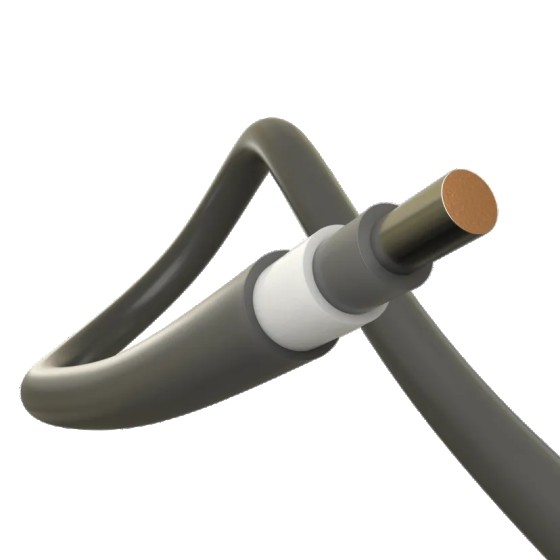
What Is Triple Insulated Wire and Why Is It Used?

Triple insulated wire provides enhanced electrical isolation with multiple insulation layers, making it ideal for compact and high safety transformer designs.

Check Details
15
Jul
How Do Magnetic Materials Affect Transformer Performance?

Magnetic materials determine transformer efficiency, power density, heat generation, and frequency performance by controlling magnetic flux and energy losses.

Check Details
15
Jul
How Does an EMI Filter Inductor Work?

EMI filter inductors suppress unwanted electrical noise and improve electromagnetic compatibility in power and electronic systems.

Check Details
15
Jul
How to Choose an Inductor for a DC-DC Converter?

Selecting the right inductor for a DC-DC converter requires balancing inductance, current rating, efficiency, thermal performance, and operating frequency.

Check Details
15
Jul
How Does an SMPS Transformer Work?

An SMPS transformer transfers energy at high frequencies, providing voltage conversion, electrical isolation, and efficient power transfer in switching power supplies.

Check Details
15
Jul
Why Are Planar Transformers Becoming More Popular?

Planar transformers are gaining popularity because they provide compact designs, high efficiency, excellent thermal performance, and consistent manufacturing quality.

Check Details
15
Jul
What Are Magnetic Components Used in Electric Vehicles?

Electric vehicles rely on magnetic components such as transformers, inductors, ferrite cores, and common mode chokes to enable efficient power conversion, charging, and motor control.

Check Details
15
Jul
What Is the Role of Magnetic Components in Power Supplies?

Magnetic components are essential in power supplies, providing voltage conversion, energy storage, filtering, and electromagnetic interference suppression.

Check Details
15
Jul
How Does a Coil Winding Machine Work?

A coil winding machine automates the process of winding magnet wire onto bobbins or cores to produce transformers, inductors, motors, and other electromagnetic components.

Check Details
15
Jul
What Is the Difference Between EE and EF Bobbins?

EE and EF bobbins are designed for different ferrite core structures, offering unique advantages in transformer size, winding space, and application requirements.

Check Details
15
Jul
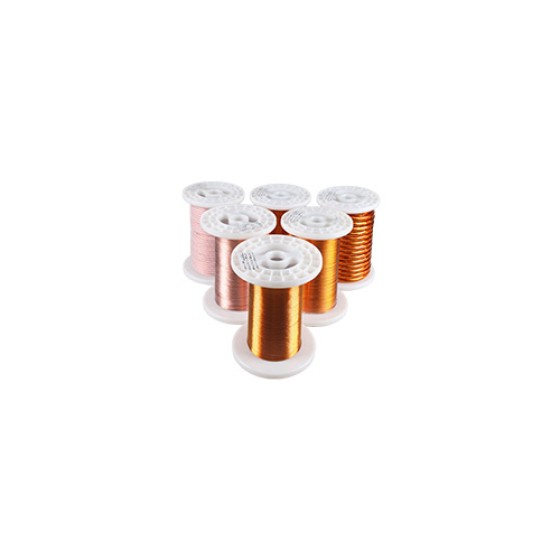
What Is Litz Wire and Why Is It Used?

Litz wire is made of multiple insulated strands that reduce AC losses and improve efficiency in high frequency electronic applications.

Check Details
shop/common.nginx_alert