



How Does an EMI Filter Inductor Work?
Modern electronic devices rely on high-speed switching circuits to improve efficiency and reduce size. However, these switching operations also generate unwanted electrical noise known as electromagnetic interference (EMI).
To control this interference, engineers use EMI filter inductors as important magnetic components in power supplies, chargers, industrial equipment, automotive electronics, and communication systems.
An EMI filter inductor works by creating impedance against high-frequency noise while allowing normal power signals to pass through. This helps electronic products meet electromagnetic compatibility (EMC) requirements and improves overall system reliability.
What Is an EMI Filter Inductor?
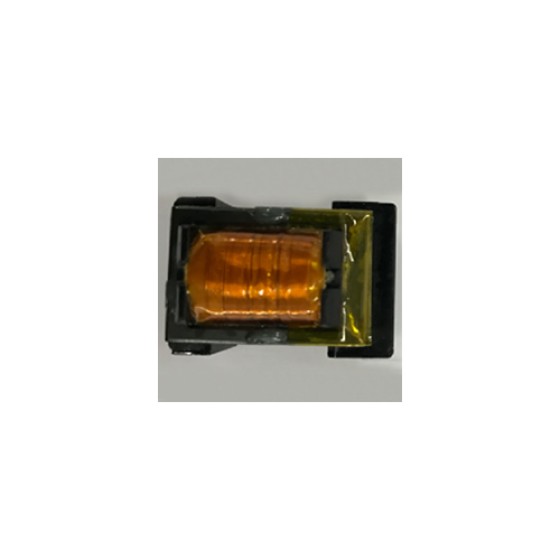
An EMI filter inductor is a passive magnetic component designed to block or reduce unwanted high-frequency noise in electrical circuits.
It typically consists of:
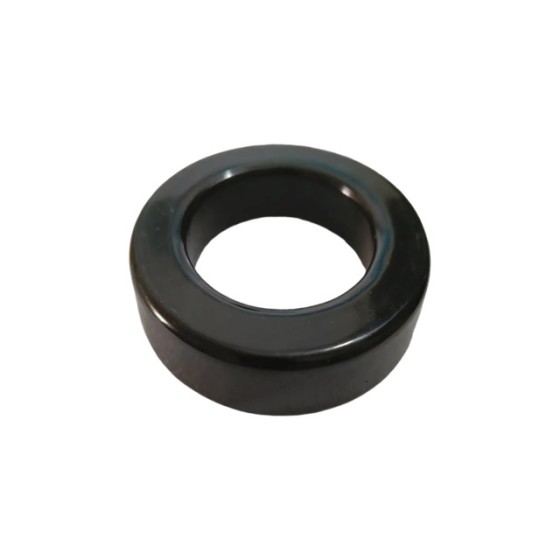
- Ferrite or magnetic core
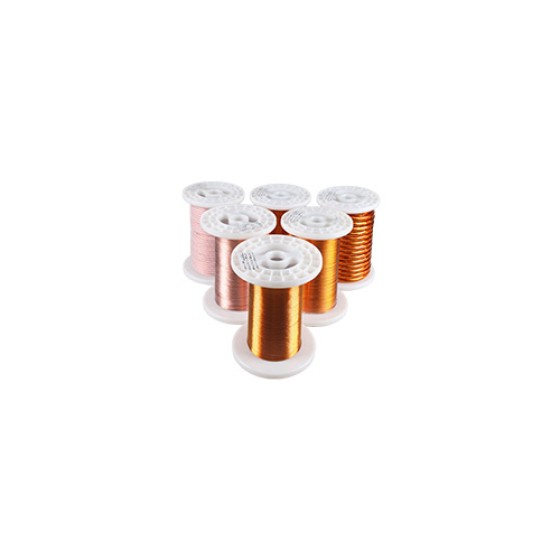
- Copper winding
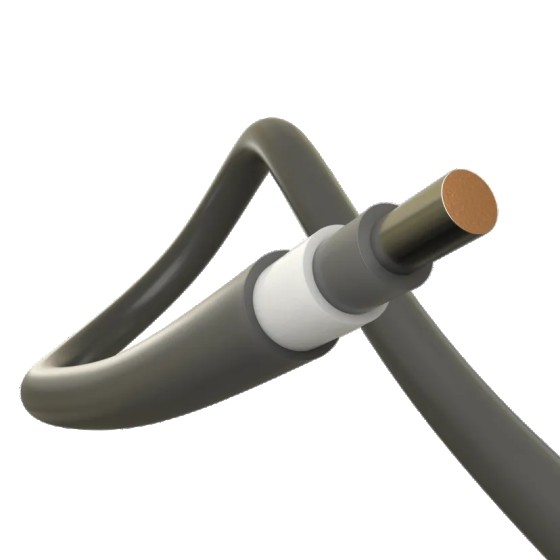
- Insulated wire
- Bobbin or housing structure
Depending on the application, EMI inductors may be designed as:
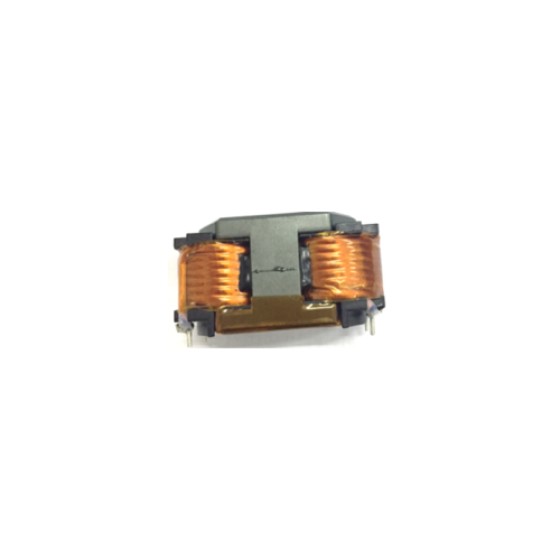
- Common mode chokes
- Differential mode inductors
- Line filter inductors
- Power supply input filters
The main purpose is to reduce electrical noise generated by switching circuits and prevent it from spreading through power lines.
Why Do Electronic Systems Need EMI Filters?
Many modern electronic devices use switching power supplies, motor drives, and high-frequency converters.
These systems generate noise from:
- Rapid voltage changes
- Switching currents
- Semiconductor operation
- Magnetic component switching
Without proper filtering, EMI can cause:
- Communication interference
- Signal errors
- Equipment malfunction
- Failure to meet EMC standards
EMI filter inductors help control these unwanted signals and improve system performance.
How Does an EMI Filter Inductor Work?
The working principle of an EMI filter inductor is based on the electrical characteristics of inductance.
An inductor resists changes in current. When high-frequency noise passes through the inductor, the magnetic field created by the winding produces impedance that limits the noise current.
At the same time, the normal low-frequency power current can continue flowing through the circuit.
This selective filtering ability allows EMI inductors to:
- Block high-frequency interference
- Reduce noise transmission
- Maintain normal power delivery
Common Mode Choke Working Principle
A common mode choke is one of the most widely used EMI filter inductors.
It usually contains two or more windings placed on the same magnetic core.
During normal operation:
- The desired current flows in opposite directions through the windings.
- The magnetic fields cancel each other.
- The choke has minimal effect on the normal signal.
When common mode noise appears:
- Noise currents flow in the same direction.
- Magnetic fields combine and increase impedance.
- The unwanted noise is suppressed.
This makes common mode chokes highly effective for reducing conducted EMI.
Differential Mode Inductor Operation
A differential mode inductor works differently from a common mode choke.
It is designed to suppress noise that appears between two power lines.
Applications include:
- AC input filters
- DC power filters
- Switching converter outputs
Differential inductors help smooth current changes and reduce ripple caused by switching circuits.
Ferrite Core Selection for EMI Inductors
The ferrite core material has a major influence on EMI filter performance.
Common materials include:
MnZn Ferrite
MnZn ferrite provides:
- High permeability
- Good impedance characteristics
- Strong performance at lower frequency ranges
It is commonly used in:
- Power supply filters
- Common mode chokes
- AC line filters
NiZn Ferrite
NiZn ferrite performs better at higher frequencies because of its higher electrical resistance.
Applications include:
- High-frequency noise suppression
- Signal filtering
- Communication equipment
The correct ferrite material depends on the frequency range and noise characteristics.
Applications of EMI Filter Inductors
EMI filter inductors are used in many industries.
Power Supplies
They are widely used in:
- AC/DC adapters
- Switching power supplies
- Server power systems
- Industrial power supplies
They help reduce conducted noise from switching circuits.
Electric Vehicles
EV systems contain many high-power switching devices.
EMI inductors are used in:
- Onboard chargers
- Battery systems
- Motor controllers
- DC-DC converters
They help improve EMC performance and protect sensitive vehicle electronics.
Renewable Energy Systems
Solar inverters and energy storage systems use EMI filters to reduce electrical interference caused by power conversion circuits.
Applications include:
- Solar inverters
- Wind power converters
- Battery energy storage systems
Industrial Equipment
Factories often use motors and variable frequency drives that generate significant electrical noise.
EMI inductors help maintain stable operation of:
- Automation systems
- Motor controllers
- Industrial power equipment
Key Parameters When Selecting an EMI Filter Inductor
Choosing the correct EMI inductor requires considering several factors.
Inductance Value
The inductance determines the filtering capability at different frequencies.
Rated Current
The component must handle the expected operating current without excessive heating.
Core Material
The ferrite material should match the target noise frequency range.
Impedance Characteristics
Higher impedance at unwanted frequencies provides better noise suppression.
Temperature Performance
The inductor must maintain stable performance under operating temperature conditions.
EMI Filter Inductor vs Normal Inductor
Although both components use magnetic principles, their purposes are different.
| Feature | EMI Filter Inductor | Normal Inductor |
|---|---|---|
| Main Function | Noise suppression | Energy storage/current control |
| Design Focus | High impedance to noise | Energy efficiency |
| Core Selection | Optimized for EMI frequency range | Optimized for power operation |
| Applications | Filters, chokes, EMC circuits | DC-DC converters, power circuits |
Future Development of EMI Magnetic Components
As electronic systems become faster and more compact, EMI control becomes increasingly important.
Future trends include:
- Higher-frequency filtering
- Smaller magnetic components
- Improved ferrite materials
- Integrated EMI solutions
- Higher current capability
The growth of electric vehicles, renewable energy, AI servers, and high-speed communication equipment will continue increasing demand for advanced EMI filter inductors.
EMI filter inductors play a critical role in modern electronic systems by reducing unwanted electrical noise and improving electromagnetic compatibility. Through the use of magnetic cores and carefully designed windings, these components help ensure reliable operation of power supplies, automotive systems, industrial equipment, and communication devices.
As electronic devices continue moving toward higher power density and faster switching speeds, EMI filter inductors will remain an essential part of efficient and stable power system design.