


What Is Litz Wire and Why Is It Used?
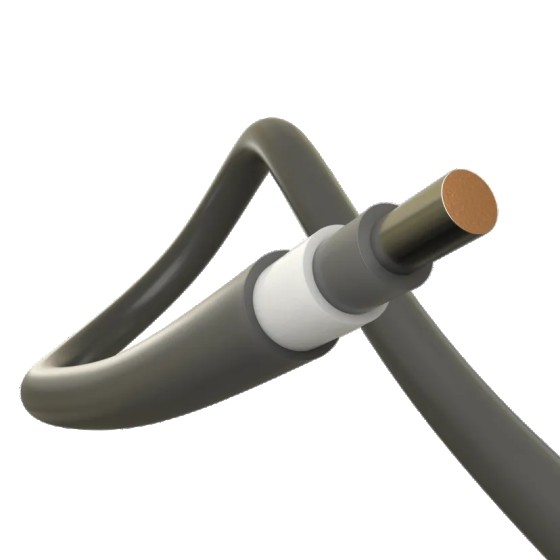
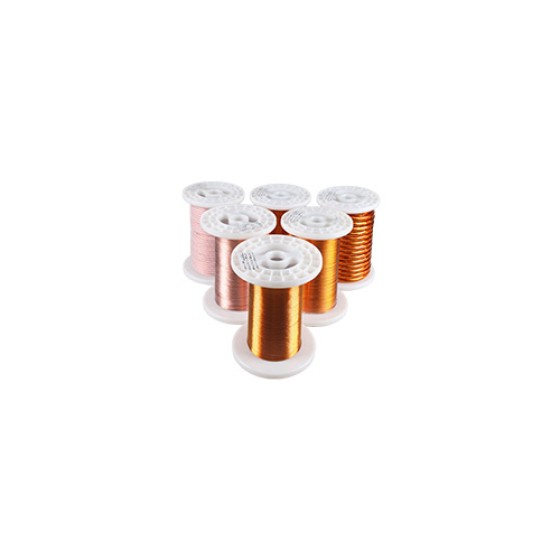
Litz wire is a specialized type of magnet wire designed for high frequency applications. Unlike standard magnet wire, which uses a single solid conductor, Litz wire consists of many individually insulated strands woven or twisted together in a specific pattern.
This unique construction helps reduce AC resistance and energy losses caused by the skin effect and proximity effect, making Litz wire an ideal choice for high frequency transformers, inductors, wireless charging systems, and other power electronic applications.
As switching frequencies continue to increase in modern electronics, Litz wire has become an important solution for improving efficiency and reducing heat generation.
How Is Litz Wire Constructed?
A Litz wire conductor is made from dozens, hundreds, or even thousands of very fine wire strands.
Each strand is:
- Individually insulated
- Twisted or braided with other strands
- Arranged to ensure each strand occupies different positions throughout the cable
This construction allows electrical current to be distributed more evenly across all strands during high frequency operation.
Compared with a single solid conductor, Litz wire significantly reduces unwanted electrical losses.
Why Does Ordinary Magnet Wire Become Less Efficient at High Frequencies?
At low frequencies, electrical current flows relatively evenly through a conductor.
However, as frequency increases, two phenomena become more significant:
Skin Effect
The skin effect causes alternating current (AC) to concentrate near the outer surface of the conductor.
As a result:
- The effective conducting area becomes smaller.
- AC resistance increases.
- More energy is converted into heat.
The higher the operating frequency, the more noticeable the skin effect becomes.
Proximity Effect
When multiple conductors are placed close together, the magnetic fields generated by neighboring wires affect how current is distributed.
This proximity effect further increases resistance and power loss, especially in tightly wound transformer and inductor coils.
Litz wire is specifically designed to minimize both of these effects.
How Does Litz Wire Reduce AC Losses?
Each strand in Litz wire has a very small diameter, which limits the impact of the skin effect.
Because every strand is individually insulated and continuously changes position within the bundle, current is shared more evenly among all strands.
This provides several advantages:
- Lower AC resistance
- Reduced copper loss
- Improved efficiency
- Lower operating temperature
- Better high frequency performance
These benefits become increasingly important as switching frequencies rise.
Common Applications of Litz Wire
Litz wire is widely used in high frequency power conversion and signal transmission.
High Frequency Transformers
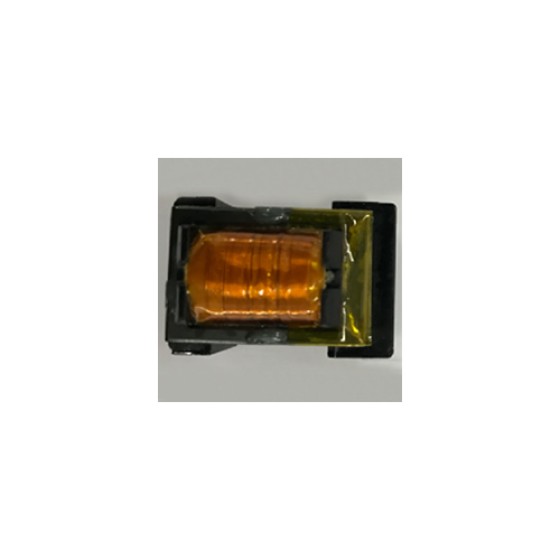
Litz wire is commonly used in transformers operating at tens or hundreds of kilohertz.
Benefits include:
- Lower winding losses
- Improved transformer efficiency
- Reduced heat generation
Typical applications include:
- Switching power supplies
- DC-DC converters
- Resonant converters
High Frequency Inductors
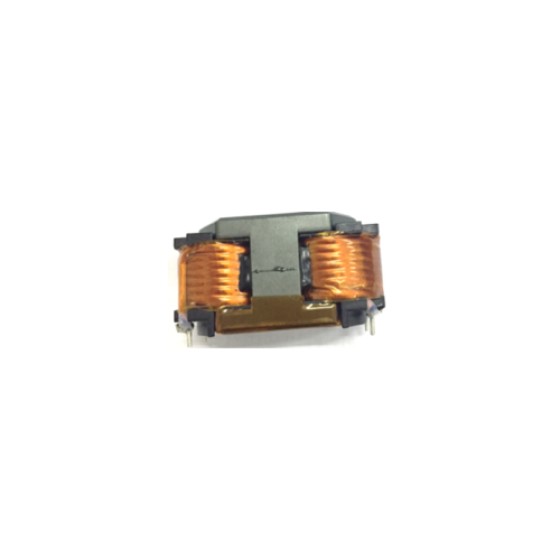
Power inductors operating at high switching frequencies also benefit from Litz wire.
Applications include:
- Power converters
- PFC inductors
- Energy storage inductors
Wireless Charging Systems
Wireless charging relies on high frequency magnetic fields for power transfer.
Litz wire improves efficiency by reducing losses in the charging coils.
Common applications include:
- Smartphone wireless chargers
- Electric vehicle wireless charging
- Medical charging devices
Induction Heating Equipment
Induction heating systems operate at relatively high frequencies and require efficient current transmission.
Litz wire helps reduce conductor heating and improve system performance.
Renewable Energy and EV Systems
Modern renewable energy equipment and electric vehicle power systems often use high frequency magnetic components that benefit from Litz wire technology.
Litz Wire vs Standard Magnet Wire
| Feature | Litz Wire | Standard Magnet Wire |
|---|---|---|
| Construction | Multiple insulated strands | Single solid conductor |
| Skin Effect | Greatly reduced | More significant at high frequency |
| AC Resistance | Lower | Higher at high frequency |
| Flexibility | Higher | Lower |
| Manufacturing Cost | Higher | Lower |
| Typical Applications | High frequency electronics | General transformer and motor windings |
When Should Litz Wire Be Used?
Litz wire is most beneficial when:
- Operating frequency is high
- Efficiency is critical
- Heat generation must be minimized
- Power density needs to be increased
For many low-frequency applications, standard magnet wire remains a practical and cost-effective choice.
Engineers should balance electrical performance and cost when selecting the appropriate conductor.
How to Choose the Right Litz Wire?
Several factors should be considered when selecting Litz wire.
Strand Diameter
Smaller strands are more effective at reducing the skin effect but may increase manufacturing complexity.
Number of Strands
The total number of strands determines the overall current-carrying capability.
Operating Frequency
The wire construction should match the intended frequency range for the best performance.
Current Requirements
The total conductor cross-sectional area must safely carry the required current without excessive heating.
Application Environment
Temperature, mechanical flexibility, and insulation requirements should also be considered when selecting Litz wire.
Litz wire is an advanced conductor designed to improve the performance of high frequency magnetic components. By reducing AC resistance caused by the skin effect and proximity effect, it helps increase efficiency, lower operating temperatures, and improve the reliability of transformers, inductors, and wireless power systems.
As modern power electronics continue to move toward higher switching frequencies and greater power density, Litz wire will remain an essential material for high-performance magnetic component design.