





How Are Transformers Tested Before Shipping?
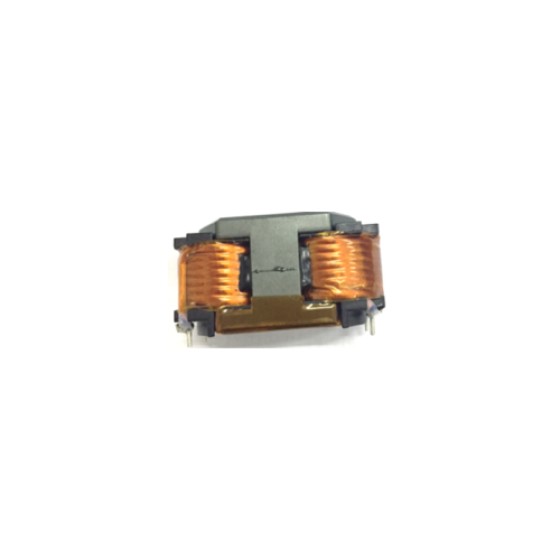
Before a transformer reaches the customer, it must go through a series of inspections and performance tests to ensure it meets design requirements. A transformer may look simple from the outside, but its internal structure involves precise winding, insulation, magnetic materials, and assembly processes.
Testing helps manufacturers identify potential problems before delivery, ensuring that transformers can operate safely and reliably in real-world applications.
Why Transformer Testing Is Important
A transformer failure can affect the entire electronic system where it is installed. Problems such as incorrect winding ratios, insulation damage, excessive losses, or poor assembly quality may lead to overheating, unstable output voltage, or premature failure.
For this reason, transformer manufacturers perform multiple tests during production and before final shipment.
The testing process helps verify:
- Electrical performance
- Insulation safety
- Manufacturing consistency
- Mechanical quality
- Long-term reliability
Visual Inspection
The first step is usually a visual inspection of the finished transformer.
Operators check whether the product meets appearance and assembly requirements, including:
- Core assembly condition
- Winding appearance
- Soldering quality
- Pin alignment
- Insulation materials
- Labels and markings
Although visual inspection seems basic, it can quickly identify issues such as damaged insulation, incorrect assembly, or manufacturing defects.
Turns Ratio Testing
Turns ratio testing is one of the most important electrical tests for transformers.
The turns ratio determines the relationship between the primary and secondary voltage. By measuring this ratio, manufacturers can confirm that the transformer was wound according to the design specifications.
Incorrect turns ratios may result in:
- Wrong output voltage
- Reduced efficiency
- Poor circuit performance
This test is especially important for custom transformers where winding specifications are unique.
Inductance Testing
Inductance measurement is used to verify the magnetic characteristics of the transformer.
The inductance value depends on factors such as:
- Number of winding turns
- Core material
- Air gap design
- Winding structure
If the measured inductance differs significantly from the target value, it may indicate winding errors or core assembly problems.
Insulation Resistance Testing
Insulation resistance testing checks whether the transformer can properly prevent unwanted current leakage.
The test measures the resistance between different electrically separated sections, such as:
- Primary and secondary windings
- Windings and core
- Different isolated circuits
A high insulation resistance value indicates that the insulation system is working correctly.
Hi-Pot (High Voltage) Testing
Hi-Pot testing, also known as dielectric withstand testing, applies a high voltage between isolated parts of the transformer.
The purpose is to verify that the insulation can withstand electrical stress without breakdown.
This test is particularly important for transformers used in:
- Medical equipment
- Industrial power supplies
- Consumer chargers
- Safety-critical applications
A transformer that fails Hi-Pot testing may have insulation weaknesses that could cause safety issues during operation.
Winding Resistance Testing
Winding resistance testing measures the resistance of copper windings.
This helps manufacturers verify:
- Correct wire size
- Proper winding connections
- Consistent manufacturing quality
Abnormally high resistance may indicate poor soldering, incorrect wire selection, or winding problems.
Load Testing
Some transformers undergo load testing to verify performance under actual operating conditions.
During this test, the transformer operates with a connected load while engineers monitor:
- Output voltage stability
- Temperature rise
- Efficiency
- Power loss
Load testing helps confirm that the transformer can perform reliably under normal working conditions.
Temperature Rise Testing
Heat management is a critical factor in transformer reliability.
During temperature testing, the transformer operates under specified conditions while the temperature of key areas is monitored.
Excessive temperature rise may indicate problems such as:
- High copper loss
- Excessive core loss
- Poor thermal design
- Incorrect material selection
A properly designed transformer should maintain safe operating temperatures throughout its expected service life.
Core Loss and Efficiency Testing
For high-frequency transformers, core loss testing is especially important.
The magnetic core continuously stores and releases energy during operation. Testing helps measure how much energy is lost as heat.
Efficiency testing evaluates how effectively the transformer transfers electrical energy from input to output.
Lower losses generally mean:
- Higher efficiency
- Less heat generation
- Better reliability
Final Quality Inspection
After electrical testing is completed, manufacturers perform a final inspection before packaging.
This includes checking:
- Test records
- Product specifications
- Packaging protection
- Quantity verification
Only transformers that pass all required inspections are approved for shipment.
Testing Requirements Depend on Applications
Not every transformer requires exactly the same testing process.
A small consumer electronics transformer may focus on size, efficiency, and safety tests, while an industrial transformer may require additional reliability and environmental testing.
The testing process is usually customized according to:
- Transformer type
- Power rating
- Operating environment
- Industry standards
- Customer requirements
Ensuring Reliable Transformer Performance
Transformer testing is an essential part of manufacturing because it connects design expectations with real product performance. Through electrical measurements, safety checks, and quality inspections, manufacturers can ensure that each transformer meets the required specifications.
For applications such as renewable energy, electric vehicles, industrial automation, and advanced power supplies, reliable testing is a key factor in achieving stable and long-lasting operation.