


Why Do Different Ferrite Materials Have Different Properties?
Ferrite cores are widely used in transformers, inductors, and other magnetic components because they offer low energy loss at high frequencies. However, not all ferrite materials perform the same. Engineers often choose from a variety of ferrite grades, each developed for a specific operating condition.
The reason is that magnetic components rarely work under identical circumstances. A transformer in a fast charger, for example, has very different requirements from one used in a solar inverter or industrial power supply. To achieve the best efficiency and reliability, the ferrite material must match the application's electrical and thermal demands.
What Is a Ferrite Material?
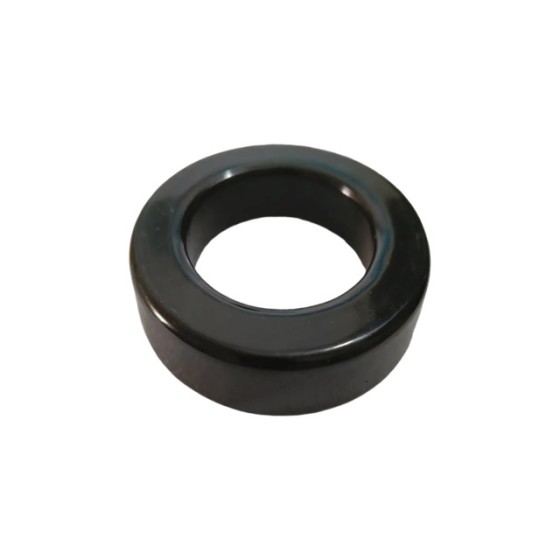
Ferrite is a ceramic magnetic material made by combining iron oxide with other metal oxides such as manganese, zinc, or nickel. After being mixed, pressed, and sintered at high temperatures, the material forms a hard magnetic core with excellent electrical resistance.
Because ferrite has much higher electrical resistance than laminated steel, it produces very low eddy current losses. This makes it ideal for transformers and inductors operating at high switching frequencies.
Although ferrite cores may look similar from the outside, their internal chemical composition can vary considerably.
Composition Makes the Difference
One of the biggest reasons ferrite materials have different properties is their chemical formulation.
Manufacturers adjust the ratio of metal oxides to achieve specific magnetic characteristics. Even small changes in composition can influence how the material behaves under different operating conditions.
Some formulations are designed to reduce core loss at high frequencies, while others prioritize higher magnetic permeability or better temperature stability.
As a result, there is no single ferrite material that performs best in every application.
Frequency Range Matters
Every ferrite material has an operating frequency range where it performs most efficiently.
Materials optimized for lower frequencies may experience excessive losses when used at several hundred kilohertz. On the other hand, materials developed for very high frequencies may not provide the best magnetic performance at lower switching frequencies.
When designing a transformer or inductor, engineers normally select a ferrite grade that matches the expected operating frequency to maximize efficiency.
Temperature Also Changes Performance
Ferrite properties are not constant. They change as temperature rises or falls.
Magnetic permeability, core loss, and saturation characteristics can all vary with temperature. Some ferrite materials maintain stable performance over a wide temperature range, while others are intended for applications with relatively constant operating conditions.
This is one reason why transformers designed for outdoor equipment, automotive electronics, or industrial systems often use different ferrite materials than those found in consumer electronics.
Permeability Is Not the Same for Every Ferrite
Magnetic permeability describes how easily a material can carry magnetic flux.
Ferrite materials with high permeability can improve magnetic coupling and reduce the number of winding turns required in some designs. However, higher permeability is not automatically better.
Depending on the circuit, engineers may intentionally select a material with lower permeability to improve stability, reduce losses, or achieve a particular inductance value.
The best choice depends on the overall design rather than a single material property.
Core Loss Varies Between Materials
Core loss is one of the most important factors affecting transformer efficiency.
As switching frequency increases, energy is continuously stored and released inside the magnetic core. Different ferrite materials lose different amounts of energy during this process.
Low-loss ferrite grades generate less heat, improving efficiency and allowing higher power density. This is particularly important in compact products such as USB chargers, server power supplies, and electric vehicle electronics.
Saturation Characteristics
Every ferrite material has a magnetic saturation limit.
When the magnetic field exceeds this limit, the material can no longer effectively carry additional magnetic flux. Efficiency decreases, heat rises, and the transformer may no longer operate as intended.
Some ferrite materials are developed to withstand higher magnetic flux densities, making them suitable for applications that handle greater power or experience larger current fluctuations.
Choosing the Right Ferrite Material
Selecting a ferrite core involves balancing several design requirements rather than focusing on a single specification.
Engineers typically evaluate:
- Operating frequency
- Input and output power
- Maximum operating temperature
- Core loss characteristics
- Magnetic permeability
- Saturation flux density
- Mechanical size
- Long-term reliability
By considering these factors together, designers can choose a ferrite material that delivers the best overall performance for the application.
A Small Material Change Can Make a Big Difference
Two ferrite cores may have the same shape and dimensions but behave very differently once installed in a circuit. The material inside the core has a direct influence on efficiency, heat generation, and long-term reliability.
For this reason, transformer and magnetic component manufacturers spend considerable time evaluating ferrite materials during product development. Choosing the right material not only improves electrical performance but also helps reduce energy consumption, extend product life, and ensure stable operation under real-world conditions.