



How Is Transformer Power Rated?
When comparing transformers, one of the first specifications you'll notice is the power rating. It may be listed as 50 VA, 500 VA, 2 kVA, or even several MVA for large power systems. But what does this number actually represent?
Unlike many electrical devices that are rated in watts, transformers are usually rated in volt-amperes (VA). This rating indicates how much apparent power a transformer can safely deliver without exceeding its design limits. Understanding how transformer power is rated helps engineers select the right transformer for both performance and long-term reliability.
Why Are Transformers Rated in VA Instead of Watts?
Many people expect a transformer to be rated in watts because watts measure electrical power. However, transformers handle both voltage and current, and the relationship between them depends on the connected load.
A purely resistive load has a power factor close to 1, so the VA and watt values are nearly the same. In real-world applications, many loads are inductive or capacitive, meaning the power factor is lower than 1. Because the transformer itself does not control the load's power factor, manufacturers specify its capacity in VA rather than watts.
This allows the same transformer to be used with a wide variety of electrical equipment.
What Does the Power Rating Mean?
A transformer's power rating represents the maximum apparent power it can continuously deliver under its specified operating conditions.
For example:
- 50 VA – Small electronic circuits and control boards
- 200 VA – Consumer electronics and compact power supplies
- 1 kVA – Industrial control equipment
- 10 kVA and above – Commercial and industrial power systems
The higher the VA rating, the more electrical load the transformer can support while maintaining safe operating temperatures.
What Determines a Transformer's Power Rating?
Several design factors influence how much power a transformer can handle.
Core Size
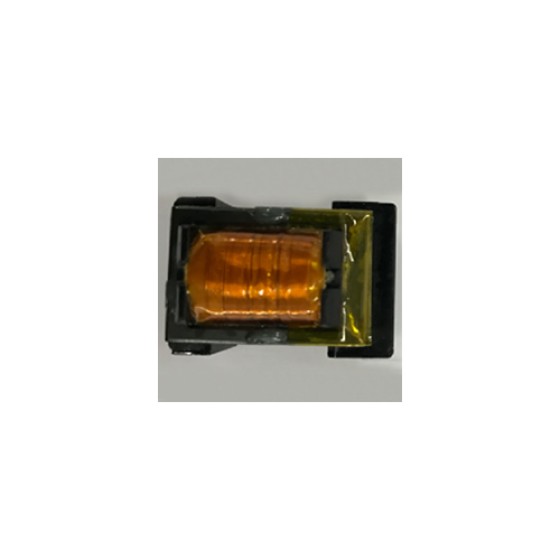
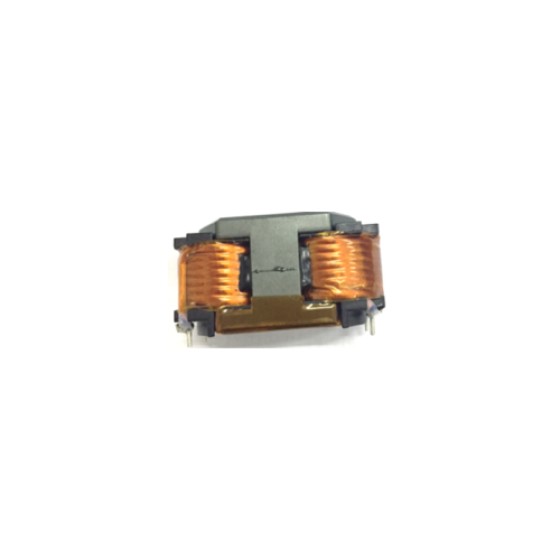
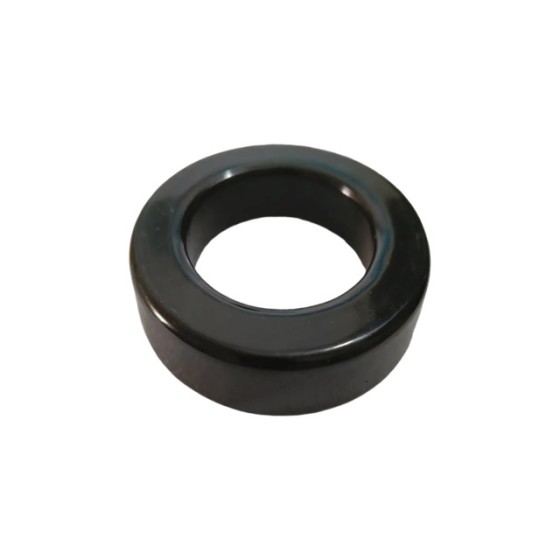
The magnetic core transfers energy between the windings. Larger cores can carry more magnetic flux and generally support higher power levels.
Wire Size
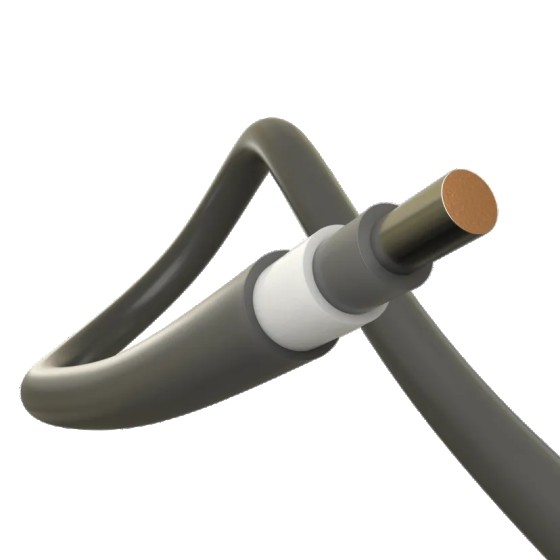
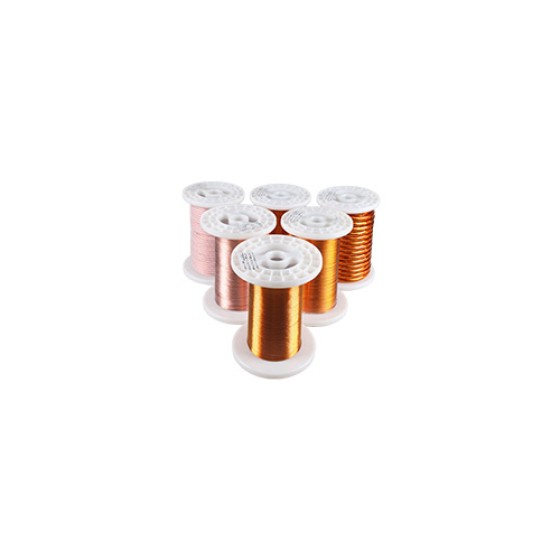
The diameter of the copper winding affects how much current the transformer can safely carry. Thicker wire reduces resistance and minimizes heat generation during operation.
Cooling Capability
Every transformer generates heat. Better cooling allows a transformer to operate safely at higher power levels for longer periods.
Operating Frequency
Frequency has a significant influence on transformer design.
High-frequency transformers used in switching power supplies can achieve similar power ratings with much smaller magnetic cores than traditional 50 Hz or 60 Hz transformers. This is one reason modern electronic power supplies are far more compact than older designs.
Insulation System
The insulation materials must withstand both electrical stress and operating temperature. A high-quality insulation system helps maintain reliable performance throughout the transformer's service life.
Continuous and Peak Power
Not all transformers are intended to operate continuously at their maximum output.
Some applications only require short bursts of high power, while others demand stable operation around the clock. Manufacturers therefore distinguish between continuous power ratings and short-term overload capability.
Choosing a transformer based only on its peak output may result in excessive heat and reduced lifespan during continuous operation.
Choosing the Right Power Rating
Selecting the correct transformer starts with calculating the total power required by the system.
It is also important to leave sufficient operating margin. Designing a system that constantly runs at 100% of the transformer's rated capacity can increase temperature and accelerate insulation aging.
For most applications, engineers prefer a transformer that offers additional capacity to accommodate startup currents, temporary overloads, and future system expansion.
When selecting a transformer, consider:
- Input and output voltage
- Output current
- Total load demand
- Duty cycle
- Ambient temperature
- Cooling conditions
Looking at these factors together provides a more accurate picture than simply matching the VA number.
Does a Higher Power Rating Mean Better Performance?
Not necessarily.
A larger transformer can handle more power, but it also occupies more space, weighs more, and generally costs more. Oversizing a transformer without a practical reason may increase material costs without improving system performance.
The best choice is a transformer whose power rating closely matches the application's actual requirements while providing a reasonable safety margin.
Final Thoughts
A transformer's power rating describes how much electrical load it can safely handle under normal operating conditions. Rather than using watts, manufacturers typically specify this capacity in VA or kVA because transformers are designed to work with many different types of electrical loads.
Understanding how power ratings are determined—and how factors such as core size, winding design, cooling, and operating frequency influence capacity—makes it easier to choose a transformer that delivers reliable performance, high efficiency, and a long service life.