



What Is the Difference Between Magnet Wire and Regular Wire?
Magnet wire and regular wire are both electrical conductors used to carry current, but they are designed for completely different purposes. The biggest difference is not the metal conductor itself, but the insulation structure and the way the wire is used in electrical systems.
Magnet wire is specially designed for creating electromagnetic windings in transformers, motors, inductors, and other magnetic components. Regular wire is mainly used for electrical connections, power transmission, and signal wiring.
Understanding the differences between these two types of wire is important when designing transformers, motors, and electronic devices.
What Is Magnet Wire?
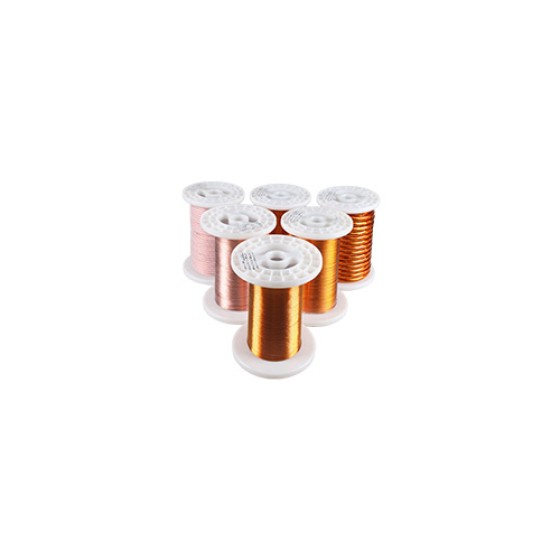
Magnet wire, also known as enamel wire, is an insulated copper or aluminum wire with a very thin coating of electrical insulation.
Unlike traditional cables with thick plastic insulation, magnet wire uses a thin enamel coating that allows many turns of wire to be tightly wound together.
Common applications include:
- Electronic transformers
- Motors
- Inductors
- Relays
- Generators
- Electromagnetic coils
The main purpose of magnet wire is to create controlled magnetic fields when current flows through the coil.
What Is Regular Wire?
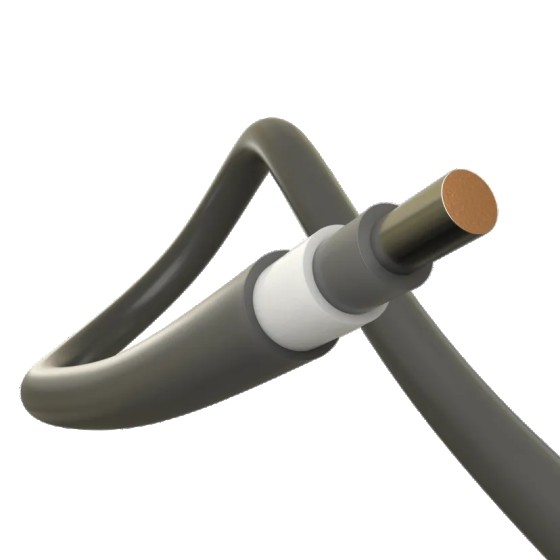
Regular wire is designed for general electrical connections and power transmission.
It usually consists of a metal conductor covered by a thicker insulation layer made from materials such as:
- PVC
- Rubber
- Silicone
- Other protective materials
Regular wires are used in applications such as:
- Household electrical wiring
- Power cables
- Signal connections
- Control systems
The thicker insulation provides mechanical protection and safety during installation.
Difference in Insulation Structure
The most significant difference between magnet wire and regular wire is the insulation.
Magnet Wire Insulation
Magnet wire uses a thin enamel coating that provides:
- Electrical insulation between turns
- High winding density
- Compact coil construction
The thin coating allows manufacturers to place more wire into a limited space.
Regular Wire Insulation
Regular wire uses thicker insulation designed for:
- Physical protection
- Environmental resistance
- User safety
However, the thicker insulation makes it unsuitable for tightly packed coil winding applications.
Difference in Construction
Magnet wire is usually made from:
- Copper conductor
- Thin enamel insulation layer
The wire diameter is carefully controlled because even small changes can affect transformer or motor performance.
Regular wire usually includes:
- Copper or aluminum conductor
- Protective insulation jacket
- Sometimes multiple layers for additional protection
Its structure is optimized for durability rather than compact winding.
Why Is Magnet Wire Used in Transformers?
Transformers rely on electromagnetic induction to transfer energy between windings.
Magnet wire is ideal for transformers because it provides:
High Winding Density
The thin insulation allows more turns to fit into the transformer bobbin, improving power density.
Low Electrical Resistance
Copper magnet wire provides excellent conductivity, helping reduce energy losses.
Reliable Insulation
The enamel coating prevents short circuits between adjacent wire layers.
Good Temperature Performance
Different insulation grades allow magnet wire to operate under various temperature conditions.
Magnet Wire vs Regular Wire Comparison
| Feature | Magnet Wire | Regular Wire |
|---|---|---|
| Insulation | Thin enamel coating | Thick protective insulation |
| Main Purpose | Electromagnetic windings | Electrical connection |
| Common Materials | Copper, aluminum | Copper, aluminum |
| Winding Capability | Excellent | Not suitable |
| Applications | Transformers, motors, inductors | Power cables, wiring systems |
| Space Efficiency | High | Lower |
Types of Magnet Wire
Different applications require different magnet wire designs.
Enameled Copper Wire
The most common type of magnet wire, widely used in:
- Transformers
- Motors
- Inductors
Self-Bonding Wire
Includes an additional bonding layer that improves coil stability.
Used in:
- Precision coils
- Compact magnetic components
Litz Wire
Made from multiple individually insulated strands.
Used for:
- High frequency transformers
- Wireless charging systems
- High frequency inductors
Can Regular Wire Replace Magnet Wire?
In most cases, regular wire cannot replace magnet wire in transformer or motor winding applications.
Using regular wire would create several problems:
- Larger coil size
- Poor winding efficiency
- Reduced magnetic performance
- Increased manufacturing difficulty
Magnetic components require precise winding structures, making magnet wire the preferred choice.
How to Choose the Right Wire?
Selecting the correct wire depends on the application requirements.
Important factors include:
Wire Diameter
The wire size affects:
- Current capacity
- Resistance
- Heat generation
Temperature Rating
Higher temperature applications require stronger insulation materials.
Operating Frequency
High frequency applications may require special wire types such as Litz wire to reduce losses.
Application Type
Transformers, motors, and inductors may require different wire specifications.
Magnet wire and regular wire serve different roles in electrical systems. Regular wire is designed for safe power transmission and electrical connections, while magnet wire is optimized for creating efficient electromagnetic coils.
In modern electronics, magnet wire remains a key material for transformers, inductors, motors, and many other magnetic components. As electronic devices continue to demand smaller size and higher efficiency, the performance requirements for magnet wire continue to increase.