


How to Select a High Frequency Transformer Manufacturer?
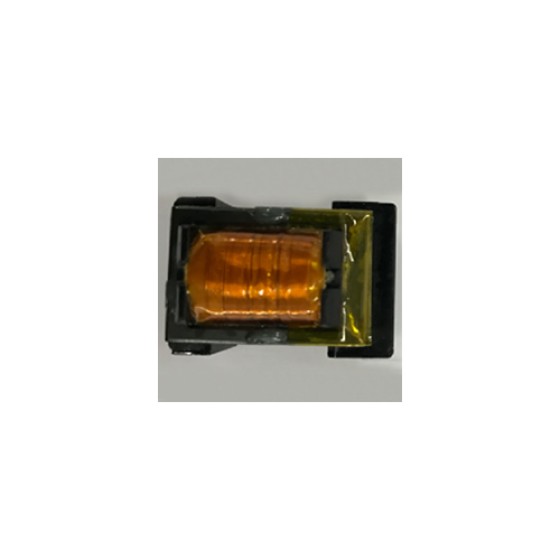
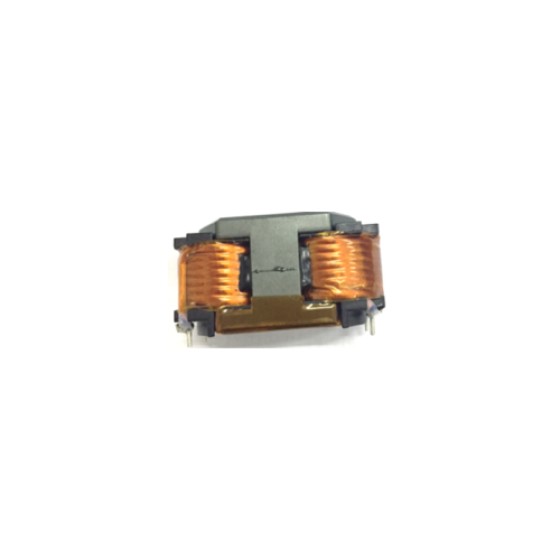
High frequency transformers are critical components in modern power electronics, including switching power supplies, EV chargers, renewable energy systems, industrial equipment, and communication devices. Selecting the right manufacturer is an important decision because transformer quality directly affects system efficiency, reliability, and long-term performance.
Unlike standard electronic components, high frequency transformers often require customized designs based on voltage requirements, operating frequency, power density, and application conditions. A reliable manufacturer should not only provide production capability but also offer engineering support throughout the development process.
Evaluate Technical Design Capability
The first factor to consider when selecting a high frequency transformer manufacturer is technical capability.
High frequency transformer design involves multiple engineering factors, including:
- Magnetic core selection
- Winding structure
- Leakage inductance control
- Insulation design
- Thermal management
- Electrical performance optimization
A manufacturer with strong design experience can help optimize transformer performance and avoid common issues such as overheating, excessive losses, and unstable operation.
Experience with different transformer topologies, including flyback, forward, push-pull, half bridge, and full bridge designs, is also an important advantage.
Check Experience with Similar Applications
Different industries have different transformer requirements.
A manufacturer experienced in consumer electronics may not have the same expertise as a supplier focused on industrial power systems or automotive applications.
When evaluating a supplier, consider whether they have experience with applications such as:
- Switching power supplies
- LED drivers
- EV charging systems
- Solar inverters
- Energy storage equipment
- Industrial power modules
Previous experience with similar products usually indicates a better understanding of reliability requirements and industry standards.
Review Core Materials and Component Selection
The performance of a high frequency transformer depends heavily on material selection.
A professional manufacturer should have experience selecting suitable magnetic materials, including:
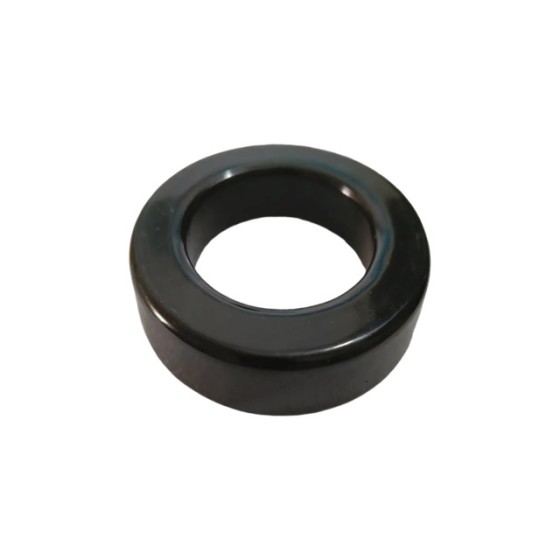
- MnZn ferrite cores
- NiZn ferrite cores
- Different core shapes and sizes
The choice of ferrite core affects:
- Core loss
- Temperature rise
- Efficiency
- Operating frequency capability
In addition to the magnetic core, other materials are also important:
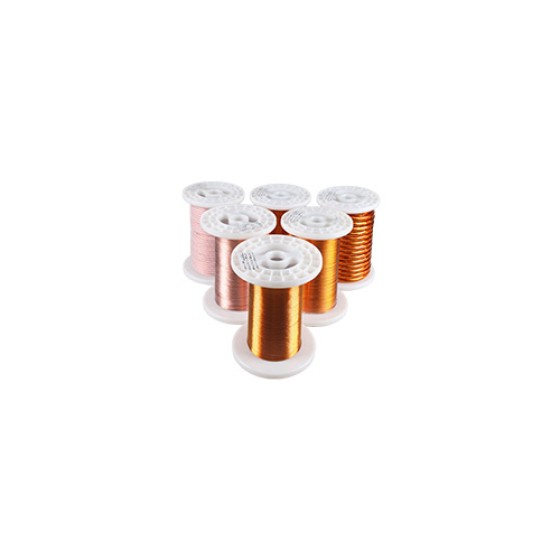
- Copper magnet wire
- Transformer bobbins
- Insulation materials
- Shielding materials
A reliable manufacturer should have strict control over material quality.
Production Equipment and Manufacturing Process
High frequency transformers require precise manufacturing processes.
Important production capabilities include:
- Automatic winding machines
- Precision wire processing equipment
- Core assembly equipment
- Soldering and termination equipment
- Automated testing systems
Advanced production equipment helps improve:
- Winding consistency
- Production efficiency
- Product reliability
- Manufacturing repeatability
Manufacturers with standardized production processes are usually better prepared for large-volume orders.
Quality Control and Testing Capability
Quality testing is one of the most important factors when selecting a transformer supplier.
A professional manufacturer should perform comprehensive testing, including:
- Inductance testing
- Resistance testing
- Hi-pot voltage testing
- Insulation resistance testing
- Turns ratio testing
- Temperature rise testing
- Electrical performance testing
For high reliability applications, additional testing may be required to ensure long-term stability.
A strong quality control system helps prevent problems during customer assembly and final product operation.
Custom Transformer Development Ability
Many high frequency transformer applications require customized solutions.
A capable manufacturer should be able to support:
- Custom voltage ratios
- Different operating frequencies
- Special core structures
- Customized winding designs
- Compact size requirements
During the development process, engineers may need to optimize parameters such as:
- Efficiency
- Power density
- Thermal performance
- Electromagnetic compatibility
A manufacturer with strong R&D capability can provide better solutions compared with suppliers that only produce standard products.
Consider Production Capacity and Delivery Reliability
For commercial projects, production capacity is another important consideration.
A suitable transformer manufacturer should have:
- Stable supply chains
- Consistent production quality
- Flexible production capacity
- Reliable delivery schedules
This is especially important for industries such as automotive electronics, industrial power supplies, and renewable energy systems where supply continuity is critical.
Communication and Engineering Support
Good communication can significantly improve project development efficiency.
A professional transformer supplier should be able to provide technical discussions regarding:
- Product specifications
- Design optimization
- Sample development
- Testing results
- Production improvements
Clear communication between engineers and manufacturers helps reduce development time and avoid unnecessary modifications.
High Frequency Transformer Manufacturer Selection Checklist
Before choosing a supplier, companies can evaluate the following points:
- Does the manufacturer have transformer design experience?
- Can they provide customized solutions?
- Do they use reliable magnetic materials?
- Do they have advanced winding equipment?
- Do they perform complete quality testing?
- Can they support prototype development and mass production?
- Do they understand the requirements of your industry?
Choosing the right high frequency transformer manufacturer requires more than comparing prices. Technical capability, manufacturing quality, material control, and engineering support all influence the final product performance.
A reliable transformer supplier can help customers achieve higher efficiency, better reliability, and optimized designs for modern power electronic applications. As industries continue moving toward higher power density and smarter energy systems, experienced high frequency transformer manufacturers will play an increasingly important role in electronic product development.