


What Causes Transformer Heating Problems?
Transformer heating is one of the most common issues affecting transformer performance and reliability. During normal operation, transformers naturally generate some heat due to electrical losses. However, excessive temperature rise can reduce efficiency, damage insulation materials, and shorten the service life of the transformer.
Understanding the causes of transformer heating helps engineers improve transformer design, select suitable components, and prevent long-term reliability problems.
Why Do Transformers Generate Heat?
A transformer converts electrical energy through electromagnetic induction. During this process, some energy is inevitably lost and converted into heat.
The main sources of transformer heat include:
- Copper loss in windings
- Core loss in magnetic materials
- Mechanical and environmental factors
- Poor thermal management
A well-designed transformer should keep these losses within an acceptable range. Excessive heat usually indicates that one or more design or operating conditions need attention.
Copper Loss in Transformer Windings
Copper loss is one of the primary causes of transformer heating.
When current flows through the winding, the resistance of the wire produces heat. This loss is also known as I²R loss, meaning the heat generated increases significantly as current increases.
Factors that increase copper loss include:
- Excessive load current
- Incorrect wire size
- Poor winding design
- High resistance connections
For example, if a transformer is operated beyond its rated power, the winding current increases and generates additional heat.
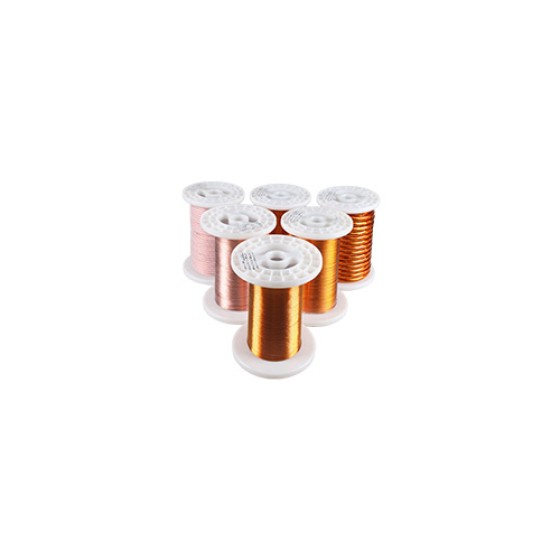
Using proper wire diameter, optimized winding structure, and high-quality copper magnet wire can help reduce copper losses.
Core Loss and Magnetic Heating
The transformer core also produces heat during operation.
Core loss mainly consists of:
Hysteresis Loss
Hysteresis loss occurs because the magnetic material is repeatedly magnetized and demagnetized during each operating cycle.
Eddy Current Loss
Changing magnetic fields can create circulating currents inside the core material. These currents generate unwanted heat.
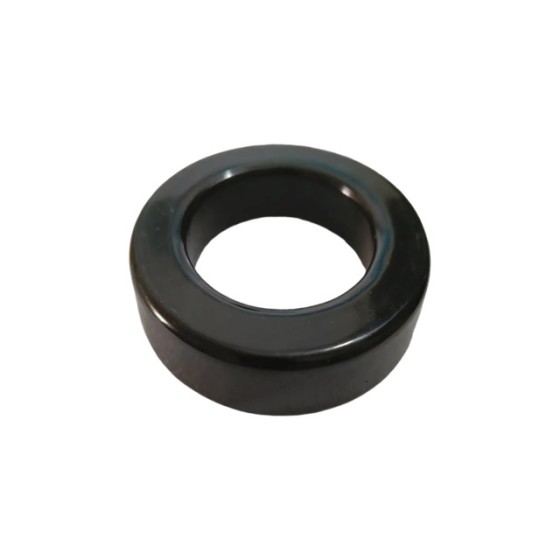
For high frequency transformers, ferrite cores are widely used because they have high electrical resistance and help reduce eddy current losses.
Selecting the correct ferrite material, such as MnZn or NiZn ferrite, is important for controlling core temperature.
Transformer Overloading
Operating a transformer beyond its rated capacity is one of the most common reasons for overheating.
When the load exceeds the transformer design limit:
- Winding current increases
- Copper losses rise
- Temperature increases
- Insulation aging accelerates
Continuous overload operation can lead to:
- Insulation breakdown
- Reduced efficiency
- Permanent transformer damage
Choosing a transformer with the correct power rating is essential for stable operation.
Poor Cooling Conditions
Even a properly designed transformer can experience heating problems if heat cannot be effectively removed.
Common cooling problems include:
- Limited airflow
- Poor ventilation
- High ambient temperature
- Incorrect installation position
Compact electronic devices often have limited space, making thermal design especially important.
Engineers may improve cooling performance through:
- Better component layout
- Improved heat dissipation paths
- Appropriate enclosure design
- Suitable thermal materials
Incorrect Transformer Design
Transformer design has a direct impact on temperature performance.
Poor design choices may cause:
- Excessive winding resistance
- Magnetic saturation
- High leakage inductance
- Increased core losses
Important design factors include:
- Core size
- Winding arrangement
- Wire selection
- Insulation structure
- Operating frequency
For high frequency transformers, optimizing the magnetic core and winding design is especially important because losses increase significantly at higher frequencies.
Magnetic Core Saturation
Core saturation occurs when the magnetic flux density exceeds the material's capability.
When a transformer core enters saturation:
- Magnetizing current increases rapidly
- Winding losses increase
- Temperature rises quickly
Causes of core saturation may include:
- Incorrect core selection
- Excessive input voltage
- Improper turns ratio
- Insufficient air gap design
Proper selection of ferrite core material and accurate transformer calculations help prevent saturation problems.
Poor Quality Materials
The materials used in transformer manufacturing have a significant influence on heat generation.
Important materials include:
- Ferrite cores
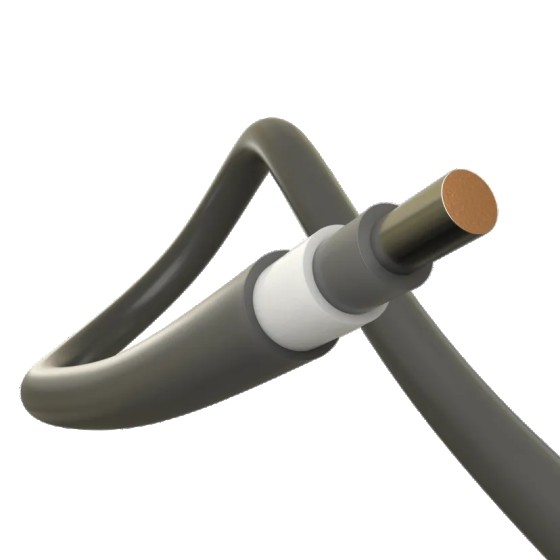
- Copper magnet wire
- Transformer bobbins
- Insulation materials
Low-quality materials may result in:
- Higher electrical resistance
- Increased losses
- Poor thermal performance
- Reduced reliability
High-quality magnetic components are especially important for applications requiring continuous operation.
How to Reduce Transformer Heating Problems?
Several methods can help reduce transformer temperature rise:
Improve Transformer Design
Optimizing the core size, winding structure, and operating parameters can reduce unnecessary losses.
Select Proper Magnetic Materials
Using suitable ferrite cores for high frequency applications helps minimize core loss.
Use Correct Wire Size
Proper magnet wire selection reduces winding resistance and copper losses.
Improve Thermal Management
Better cooling design helps maintain stable operating temperatures.
Avoid Overloading
Operating within the rated power range prevents excessive heat generation.
Transformer heating problems are usually caused by a combination of electrical losses, operating conditions, and design factors. By understanding the sources of heat and selecting appropriate materials and designs, manufacturers can improve transformer efficiency, reliability, and service life.
As electronic systems continue to demand higher power density and smaller designs, effective thermal management has become an increasingly important part of transformer development.