



What Is the Difference Between High Frequency and Low Frequency Transformers?
Transformers are essential components used for voltage conversion, electrical isolation, and energy transfer in electronic and power systems. Although all transformers work based on the same principle of electromagnetic induction, their designs can vary significantly depending on the operating frequency.
The two main categories are high frequency transformers and low frequency transformers. The difference between them affects their size, efficiency, magnetic core selection, winding design, and application areas.
Understanding these differences helps engineers choose the right transformer solution for different power conversion requirements.
Operating Frequency Difference
The most obvious difference between high frequency and low frequency transformers is the frequency at which they operate.
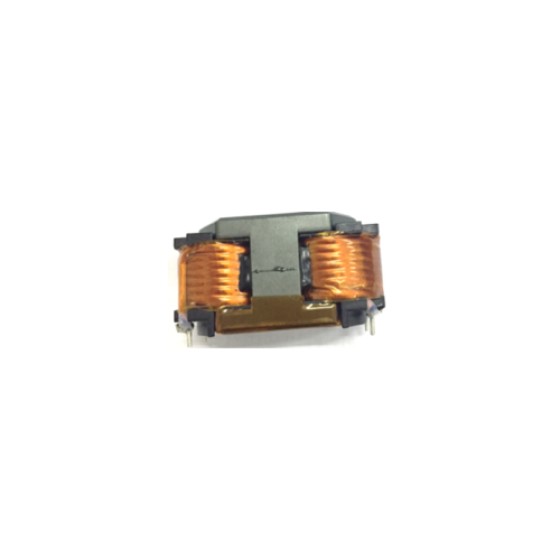
Low frequency transformers typically operate at standard power frequencies such as 50Hz or 60Hz. They are commonly used in traditional power distribution and industrial electrical systems.
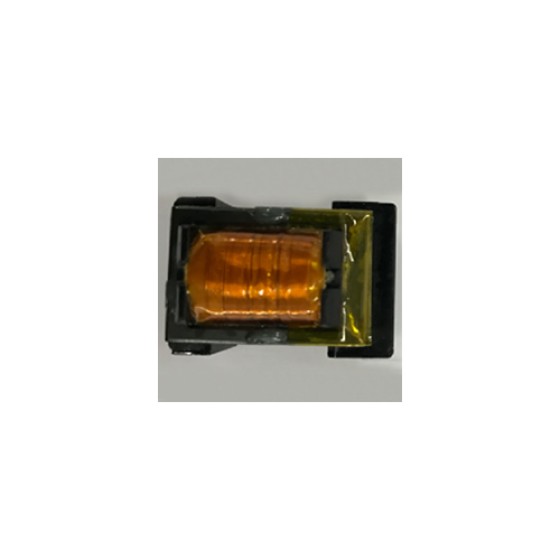
High frequency transformers usually operate from several kilohertz to hundreds of kilohertz or even higher. They are mainly used in switching power supplies and modern electronic equipment.
The higher operating frequency allows high frequency transformers to transfer energy more efficiently using smaller magnetic components.
Difference in Transformer Size and Weight
One of the biggest advantages of high frequency transformers is their compact size.
Transformer size is closely related to operating frequency. When frequency increases, the transformer core can transfer more energy in each cycle, allowing the magnetic core and winding size to be reduced.
Compared with low frequency transformers, high frequency transformers typically offer:
- Smaller physical size
- Lower weight
- Higher power density
- Better suitability for compact electronic devices
This is why modern chargers, adapters, and power modules can be much smaller than traditional transformers.
Magnetic Core Material Differences
The choice of magnetic core material is another major difference between high frequency and low frequency transformers.
High Frequency Transformer Cores
High frequency transformers usually use ferrite cores because ferrite materials have:
- Low core loss at high frequencies
- High electrical resistance
- Good magnetic performance
Common ferrite materials include:
- MnZn ferrite
- NiZn ferrite
Popular core shapes include:
- EE core
- EF core
- EFD core
- PQ core
Low Frequency Transformer Cores
Low frequency transformers often use materials such as:
- Silicon steel
- Laminated steel cores
These materials provide good magnetic performance at 50Hz or 60Hz but are not suitable for high-frequency operation because of higher losses.
Efficiency and Power Loss
Both transformer types are designed for efficient energy transfer, but their loss characteristics are different.
High frequency transformers mainly need to manage:
- Core loss
- Copper loss
- Switching-related losses
Ferrite cores help reduce energy loss when operating at high frequencies.
Low frequency transformers mainly experience:
- Copper winding losses
- Core hysteresis losses
- Eddy current losses
Proper core design and material selection are important for maintaining efficiency in both transformer types.
Winding Design Differences
The winding structure also changes depending on frequency and application.
High frequency transformers often require more advanced winding techniques, such as:
- Layer winding
- Interleaved winding
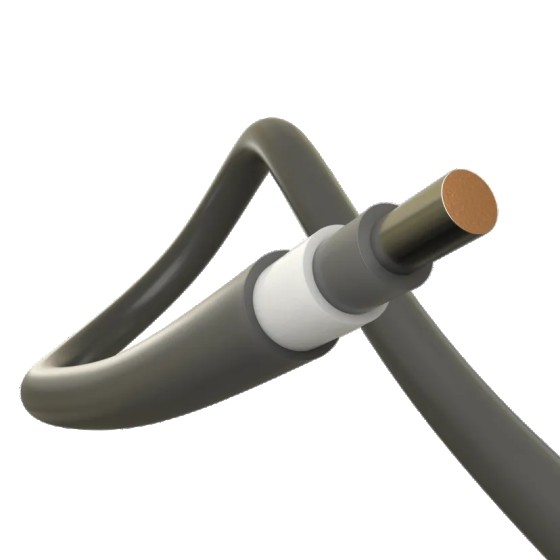
- Triple insulated wire
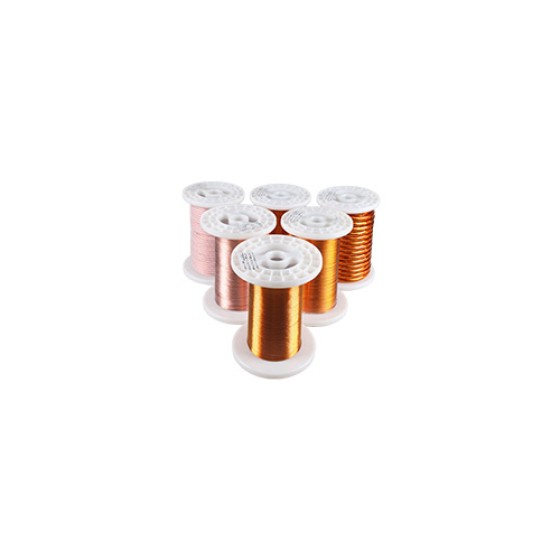
- Litz wire
These methods help reduce:
- Leakage inductance
- Skin effect losses
- Parasitic capacitance
Low frequency transformers usually use simpler winding structures because they operate at much lower frequencies.
Application Differences
High frequency and low frequency transformers are used in different industries.
High Frequency Transformer Applications
High frequency transformers are commonly found in:
- Switching power supplies
- Laptop adapters
- Mobile chargers
- LED drivers
- EV charging systems
- Solar inverters
- Industrial power converters
They are especially important in applications requiring small size and high efficiency.
Low Frequency Transformer Applications
Low frequency transformers are mainly used in:
- Power distribution systems
- Industrial electrical equipment
- Traditional AC power systems
- Large electrical machines
They are preferred when high power handling and long-term durability are the main requirements.
High Frequency Transformer vs Low Frequency Transformer Comparison
| Feature | High Frequency Transformer | Low Frequency Transformer |
|---|---|---|
| Operating Frequency | kHz to MHz range | 50Hz / 60Hz |
| Core Material | Ferrite core | Silicon steel core |
| Size | Smaller and lighter | Larger and heavier |
| Efficiency | High at switching frequencies | High at power frequencies |
| Main Applications | Electronics and power supplies | Electrical power systems |
| Design Complexity | More complex | Simpler |
How to Choose Between High Frequency and Low Frequency Transformers?
The correct choice depends on the application requirements.
A high frequency transformer is usually suitable when:
- Space is limited
- High efficiency is required
- Weight reduction is important
- The system uses switching power conversion
A low frequency transformer is more suitable when:
- Large power capacity is needed
- The application operates directly from AC power
- Long-term industrial reliability is the priority
Engineers must consider operating frequency, power level, size limitations, efficiency targets, and safety requirements before selecting a transformer.
High frequency and low frequency transformers serve different purposes in modern electrical systems. High frequency transformers enable compact and efficient electronic devices, while low frequency transformers remain important for traditional power applications. Understanding their differences allows designers to select the most suitable transformer technology for each specific application.