



What Is Magnet Wire and How Is It Used?
Magnet wire is a type of electrical conductor with a thin insulating coating, mainly used for creating electromagnetic windings in transformers, motors, inductors, and other magnetic components.
Unlike ordinary electrical wire, magnet wire is designed to allow multiple turns of wire to be placed closely together while maintaining reliable electrical insulation. This unique structure makes it an essential material in power electronics and electrical equipment.
From small electronic transformers inside chargers to large industrial motors, magnet wire plays an important role in converting electrical energy into magnetic energy and enabling efficient electromagnetic operation.
Understanding the Structure of Magnet Wire
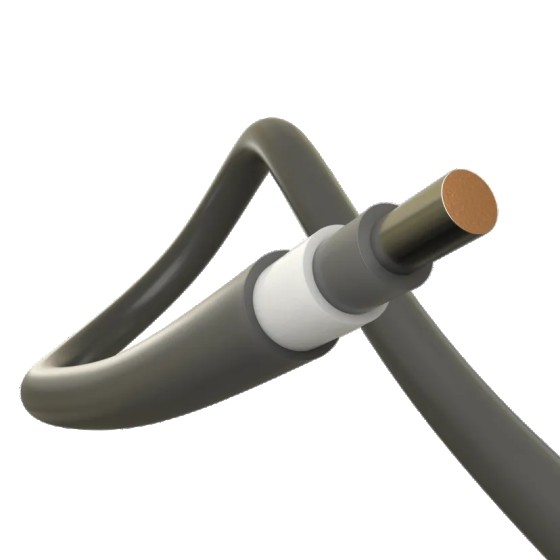
The basic structure of magnet wire consists of two main parts:
Conductive Core
The conductor is usually made of copper because of its excellent electrical conductivity and mechanical properties. Aluminum is also used in some applications where weight and cost reduction are important.
Copper magnet wire is the most common choice for transformers and inductors due to its low electrical resistance and good winding performance.
Insulation Coating
The conductor is covered with a thin layer of insulating material, which separates adjacent turns of wire and prevents short circuits.
Common insulation materials include:
- Polyurethane
- Polyester
- Polyesterimide
- Polyamide-imide
The insulation type determines important characteristics such as temperature resistance, mechanical strength, and chemical durability.
How Does Magnet Wire Work?
When current passes through a coil made from magnet wire, it generates a magnetic field around the winding. This magnetic field is the foundation of many electromagnetic devices.
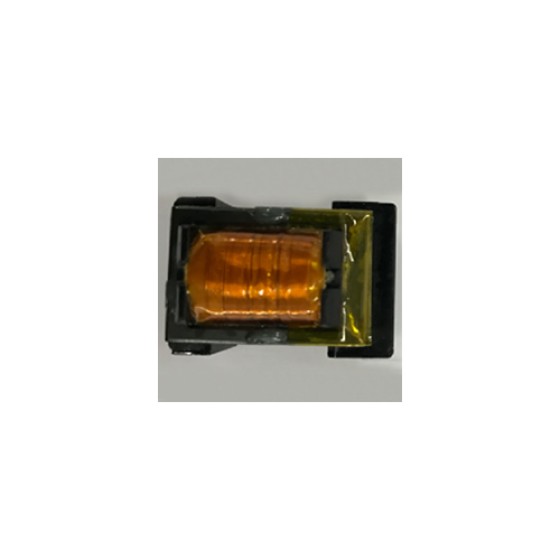
In a transformer, magnet wire is wound around a magnetic core to create primary and secondary windings. The changing magnetic field transfers energy from one winding to another.
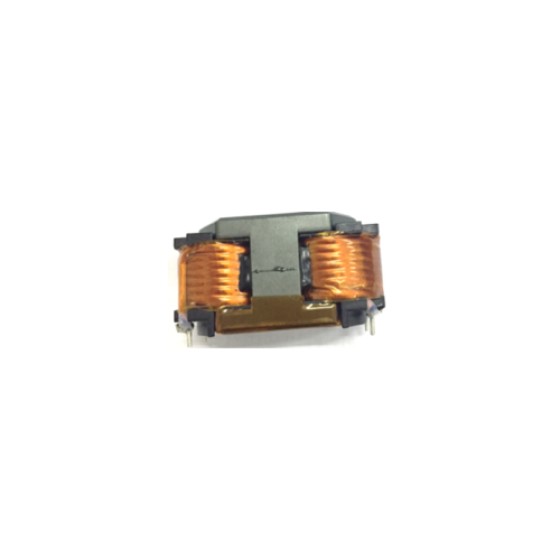
In an inductor, the magnet wire winding creates a magnetic field that stores energy and controls current changes.
The performance of these components depends heavily on the quality, size, and insulation characteristics of the magnet wire.
Why Is Magnet Wire Used in Transformers?
Transformers require precise winding structures to achieve efficient energy transfer. Magnet wire is ideal because it provides several advantages:
Compact Winding Design
The thin insulation layer allows more turns to fit into a limited space, helping transformers achieve higher power density.
Reliable Electrical Insulation
The enamel coating prevents direct contact between adjacent wires, reducing the risk of short circuits.
Good Thermal Performance
High-quality magnet wire materials can withstand the heat generated during transformer operation.
Excellent Conductivity
Copper magnet wire minimizes electrical losses and improves transformer efficiency.
Types of Magnet Wire
Different applications require different types of magnet wire.
Enameled Copper Wire
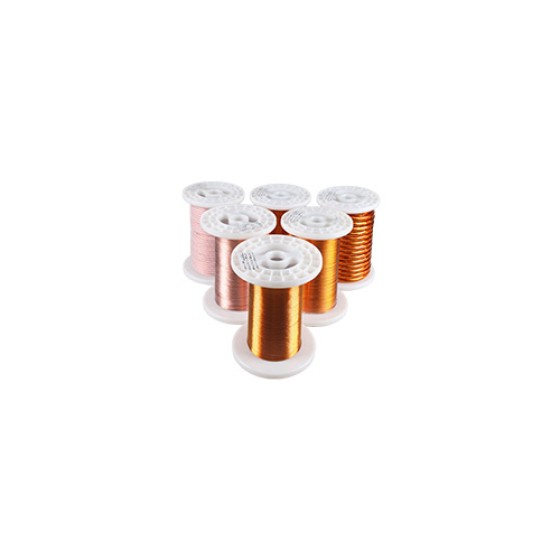
Enameled copper wire is the most widely used type of magnet wire. It consists of copper conductors coated with a thin enamel insulation layer.
Applications include:
- Transformers
- Motors
- Inductors
- Relays
Self-Bonding Wire
Self-bonding magnet wire has an additional bonding layer that allows the winding structure to become more stable after heating.
It is often used in:
- Precision coils
- Compact electronic components
- Special winding applications
Litz Wire
Litz wire is made from multiple individually insulated thin wires twisted together.
It is designed to reduce skin effect losses at high frequencies and is commonly used in:
- High frequency transformers
- Wireless charging systems
- High frequency inductors
Magnet Wire Applications
Magnet wire is used in many industries where electromagnetic conversion is required.
Common applications include:
Transformers
Magnet wire forms the windings that transfer electrical energy between circuits.
Applications include:
- High frequency transformers
- Power transformers
- SMPS transformers
Motors
Electric motors rely on magnet wire windings to generate magnetic fields that produce mechanical movement.
Inductors and Chokes
Magnet wire is used to create coils for energy storage and EMI filtering.
Automotive Electronics
Electric vehicles and automotive systems use magnet wire in:
- Motors
- Charging systems
- Power converters
Renewable Energy Systems
Solar inverters and energy storage equipment also rely on magnetic components manufactured with magnet wire.
How to Select the Right Magnet Wire?
Choosing suitable magnet wire depends on several factors:
Wire Diameter
The wire size affects current capacity, winding space, and electrical resistance.
Temperature Rating
Different insulation systems support different operating temperatures. High-temperature applications require wire with stronger insulation performance.
Operating Frequency
High frequency applications may require specialized solutions such as Litz wire to reduce energy losses.
Application Requirements
Transformer, motor, and inductor designs have different requirements for mechanical strength, insulation, and efficiency.
Magnet Wire vs Ordinary Wire
Although both contain conductive materials, magnet wire and ordinary electrical wire are designed for different purposes.
Ordinary wire usually has thicker insulation for protection and external connections, while magnet wire uses a very thin insulation coating to maximize winding density.
This difference allows magnetic components to achieve smaller sizes and better performance.
Magnet wire is a fundamental material in modern electrical and electronic systems. Its combination of high conductivity, compact insulation, and reliable performance makes it an essential component for transformers, motors, inductors, and many other electromagnetic devices. As power electronics continue to develop toward higher efficiency and smaller designs, magnet wire technology continues to improve to meet new application requirements.