



What Is an Inductor and How Does It Work?
Inductors are one of the fundamental passive components used in modern electronic circuits. They can be found in power supplies, electric vehicles, communication equipment, industrial control systems, and many other electronic devices.
Although an inductor looks simple, usually consisting of a coil of wire wound around a magnetic core, it plays an important role in controlling current, storing energy, filtering signals, and improving the efficiency of power conversion systems.
What Is an Inductor?
An inductor is a passive electronic component that stores energy in the form of a magnetic field when electric current flows through its coil.
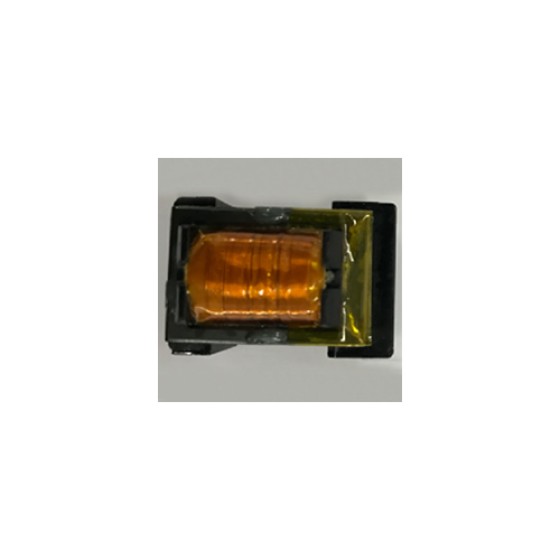
The basic structure of an inductor includes:
- Conductive wire winding
- Magnetic core or air core
- Insulating materials
- External terminals
When current passes through the winding, a magnetic field is generated around the coil. The magnetic core helps concentrate this magnetic field, increasing the inductance value and improving energy storage capability.
The ability of an inductor to resist changes in current is called inductance, which is measured in Henry (H).
How Does an Inductor Work?
The working principle of an inductor is based on electromagnetic induction.
When the current flowing through an inductor changes, the magnetic field around the coil also changes. According to electromagnetic principles, this changing magnetic field creates an induced voltage that opposes the change in current.
This characteristic allows inductors to control the flow of electrical energy.
For example:
- When current increases, the inductor stores energy in its magnetic field.
- When current decreases, the stored energy is released back into the circuit.
This ability makes inductors valuable in circuits that require stable current control and energy management.
The Role of Magnetic Cores in Inductors
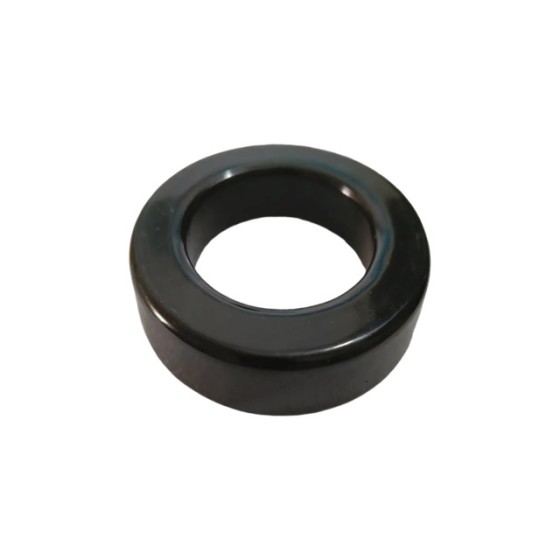
Many inductors use magnetic cores made from materials such as ferrite, iron powder, or other magnetic compounds.
The core material has a significant impact on inductor performance, including:
- Inductance value
- Current capacity
- Power loss
- Operating frequency
- Temperature performance
Ferrite cores are commonly used in high-frequency applications because they provide low core loss and good magnetic performance.
Iron powder cores are often selected for applications requiring higher energy storage capability, such as power inductors.
Common Types of Inductors
Different applications require different inductor structures.
Wire Wound Inductors
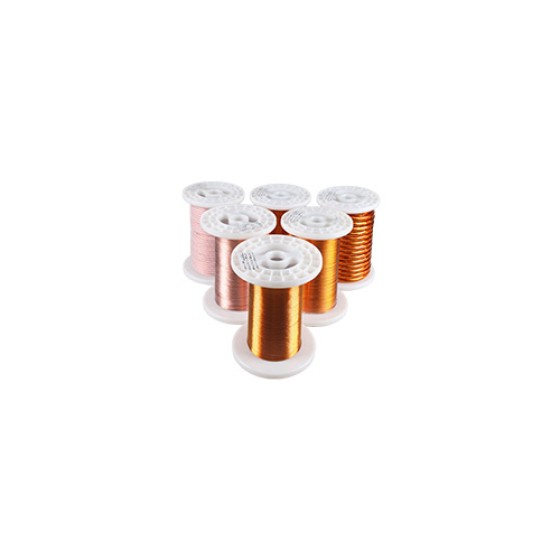
Wire wound inductors are made by winding copper wire around a magnetic core.
They offer:
- High inductance values
- Good current handling capability
- Excellent performance in power applications
They are widely used in:
- Power supplies
- DC-DC converters
- Industrial electronics
Power Inductors
Power inductors are designed to handle high current while maintaining stable performance.
They are commonly used in:
- Switching regulators
- Battery management systems
- Automotive electronics
- Energy storage equipment
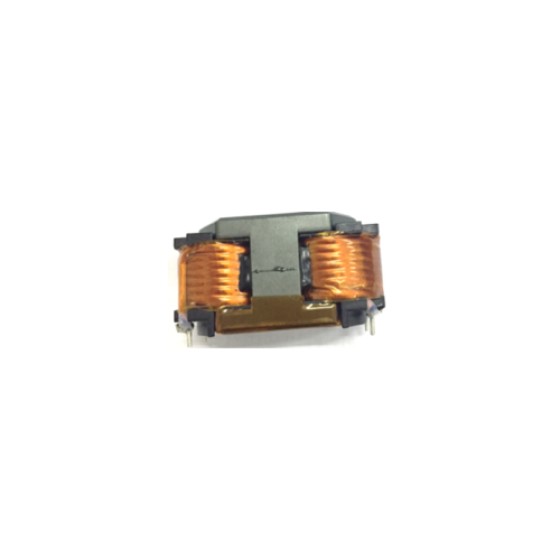
Common Mode Chokes
Common mode chokes are specialized inductors designed to suppress electromagnetic interference (EMI).
They are widely used in:
- Power supply filters
- Communication systems
- Consumer electronics
SMD Inductors
Surface mount inductors are compact components designed for modern electronic devices where space is limited.
They are commonly found in:
- Mobile devices
- Consumer electronics
- Compact power circuits
Why Are Inductors Important in Power Electronics?
In power electronic systems, inductors are essential for controlling and converting electrical energy.
They are commonly used for:
Energy Storage
Inductors temporarily store energy and release it when needed, which is important in switching power conversion circuits.
Current Filtering
Inductors smooth current fluctuations and reduce electrical noise in power supplies.
Voltage Regulation
In DC-DC converters, inductors help convert voltage levels efficiently while maintaining stable output power.
EMI Reduction
Inductors and magnetic filters help reduce unwanted electromagnetic interference generated by electronic circuits.
Applications of Inductors
Inductors are widely used across many industries, including:
- Switching power supplies
- Electric vehicle charging systems
- Solar energy systems
- Industrial automation equipment
- LED lighting systems
- Audio equipment
- Communication devices
- Battery management systems
With the growth of electric vehicles, renewable energy, and high-efficiency power systems, the demand for advanced inductors continues to increase.
Factors to Consider When Selecting an Inductor
Choosing the right inductor requires consideration of several parameters:
Inductance Value
The inductance value determines how much the component can resist changes in current.
Rated Current
The inductor must handle the required current without excessive heating or magnetic saturation.
Operating Frequency
Different core materials and structures perform differently at different frequencies.
Core Material
The selection of ferrite, iron powder, or other magnetic materials affects efficiency and reliability.
Size Requirements
Modern electronic products require smaller components while maintaining high performance.
Inductor vs Transformer: What Is the Difference?
Although inductors and transformers both use magnetic fields, their functions are different.
An inductor usually has a single winding and is mainly used for energy storage and current control.
A transformer normally has two or more windings and is designed to transfer electrical energy between circuits while changing voltage levels.
Both components rely on magnetic principles, but they serve different purposes in electronic systems.
Inductors are simple in structure but critical in performance. From power conversion to electromagnetic filtering, they provide essential functions that allow modern electronic devices to operate efficiently and reliably. Understanding how inductors work helps engineers select the right magnetic components for different applications.