


Why Are Ferrite Cores Used in High Frequency Transformers?
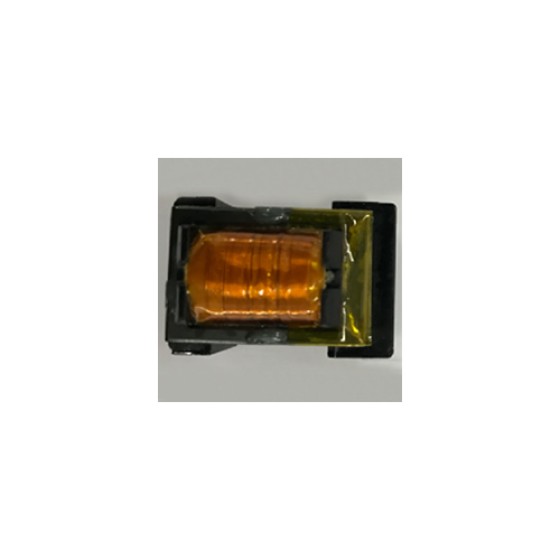
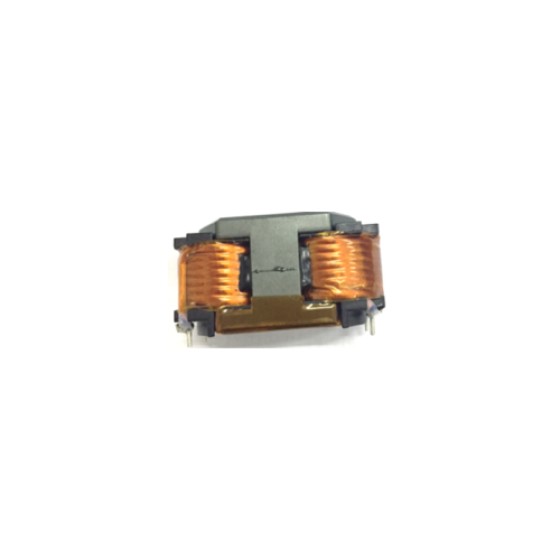
High frequency transformers are essential components in modern power electronics, including switching power supplies, EV charging systems, renewable energy equipment, and industrial power converters. Unlike traditional low-frequency transformers, high frequency transformers operate at much higher switching frequencies, which requires magnetic materials with excellent performance characteristics.
Ferrite cores have become the preferred choice for these applications because they offer low energy loss, high electrical resistance, and efficient magnetic performance at high frequencies.
The Relationship Between Ferrite Cores and High Frequency Operation
The main function of a transformer core is to guide magnetic flux generated by the winding. When an alternating current passes through the primary winding, the magnetic field changes continuously and transfers energy to the secondary winding.
At higher frequencies, the magnetic field changes much faster. This creates additional challenges, including increased core losses and heat generation. A suitable core material must be able to handle these rapid magnetic changes while maintaining efficiency.
Ferrite materials are designed specifically for this purpose. Their unique ceramic structure allows transformers to operate efficiently at frequencies ranging from tens of kilohertz to several megahertz.
Low Core Loss at High Frequencies
One of the most important reasons ferrite cores are used in high frequency transformers is their low core loss.
Core loss mainly comes from two factors:
- Hysteresis loss
- Eddy current loss
During each switching cycle, the magnetic material is repeatedly magnetized and demagnetized. Materials with poor magnetic characteristics consume more energy during this process, creating additional heat.
Ferrite cores have high electrical resistivity, which greatly reduces eddy currents inside the core. This allows them to maintain lower power losses compared with traditional magnetic materials at high frequencies.
For switching power supplies, reducing core loss directly improves efficiency and helps control temperature rise.
High Electrical Resistivity Reduces Eddy Current Loss
Unlike metallic magnetic materials, ferrite is a ceramic material with very high electrical resistance.
When a magnetic field changes rapidly, conductive materials can generate unwanted circulating currents called eddy currents. These currents produce heat and reduce transformer efficiency.
The high resistivity of ferrite materials limits these unwanted currents, making ferrite cores especially suitable for high frequency applications.
This is one of the key differences between ferrite cores and traditional iron cores.
High Magnetic Permeability Improves Energy Transfer
Ferrite cores also have high magnetic permeability, allowing them to concentrate magnetic flux efficiently.
A well-designed ferrite core helps:
- Improve coupling between transformer windings
- Reduce magnetic leakage
- Increase power conversion efficiency
- Allow smaller transformer designs
Because ferrite cores can transfer energy effectively at higher frequencies, engineers can reduce the size and weight of transformers while maintaining required power performance.
Ferrite Cores Enable Smaller Transformer Designs
One major advantage of high frequency transformers is size reduction.
The operating frequency of a transformer has a direct relationship with its physical size. Higher frequencies allow more energy transfer in each cycle, meaning the transformer core and winding size can be reduced.
Ferrite cores make this possible because they maintain good magnetic performance at high frequencies.
This is why compact electronic products such as:
- Laptop adapters
- Smartphone chargers
- LED power supplies
- Industrial power modules
can achieve high power density in small packages.
Common Ferrite Materials Used in High Frequency Transformers
Different ferrite materials are selected based on frequency range and application requirements.
MnZn Ferrite
Manganese Zinc ferrite is commonly used for power transformers because it provides:
- High magnetic permeability
- Good saturation characteristics
- Strong performance at low and medium high frequencies
It is widely used in:
- Flyback transformers
- Forward transformers
- Switching power supplies
NiZn Ferrite
Nickel Zinc ferrite has higher electrical resistivity and performs better at higher frequencies.
It is often used in:
- RF transformers
- Signal transformers
- High frequency inductors
- EMI suppression components
The choice between MnZn and NiZn ferrite depends on the transformer’s operating frequency, power level, and design requirements.
Ferrite Core Shapes for High Frequency Transformers
The shape of the ferrite core also affects transformer performance.
EE cores are widely used because they provide a simple structure and are easy to manufacture.
EF and EFD cores are popular in compact power supplies where space saving is important.
PQ cores are commonly selected for higher power applications because they provide efficient winding space and good thermal performance.
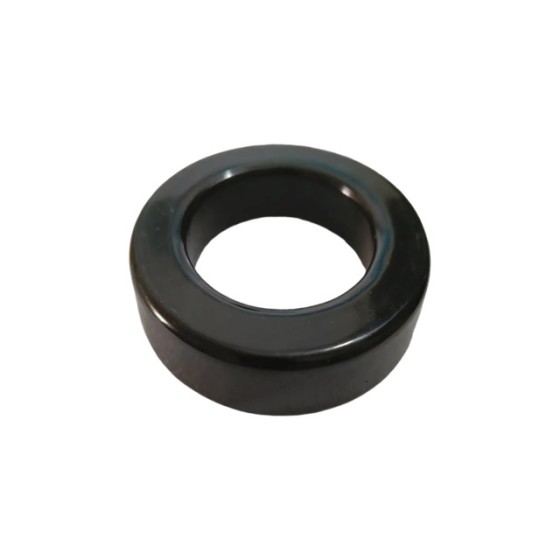
Toroidal cores are used when low leakage flux and reduced electromagnetic interference are required.
Why Not Use Iron Cores for High Frequency Transformers?
Traditional iron cores work well at low frequencies, such as 50Hz or 60Hz power transformers. However, they are not suitable for many high frequency applications.
At higher frequencies, iron cores experience:
- Increased eddy current losses
- Higher heat generation
- Reduced efficiency
Ferrite cores overcome these limitations due to their high resistance and optimized magnetic properties.
This makes them the standard choice for modern high frequency transformer designs.
Applications of Ferrite Core High Frequency Transformers
Ferrite core transformers are widely used in industries where efficiency, size, and reliability are important.
Typical applications include:
- Switching power supplies
- Electric vehicle chargers
- Solar inverters
- Energy storage systems
- Industrial automation equipment
- LED lighting systems
- Consumer electronics
- Communication equipment
As power electronics continue moving toward higher efficiency and greater power density, ferrite core technology remains a fundamental part of transformer development.
The selection of the right ferrite material, core shape, and transformer design parameters has a direct impact on performance. For engineers and manufacturers, understanding ferrite core characteristics is an important step in creating reliable and efficient high frequency transformer solutions.