




Electronic Transformer Applications in Modern Electronics
Electronic transformers are essential components in modern electronic systems, providing efficient power conversion, voltage regulation, and electrical isolation. With the rapid development of smart devices, industrial automation, renewable energy, and advanced power electronics, the demand for compact, efficient, and reliable electronic transformers continues to grow.
Unlike traditional transformers, electronic transformers typically operate at higher frequencies and use advanced magnetic materials such as ferrite cores. This allows them to achieve smaller sizes, higher efficiency, and better performance in modern electronic applications.
What Are Electronic Transformers?
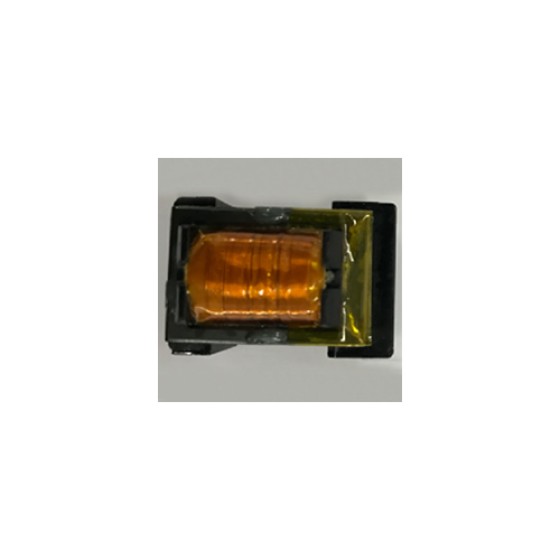
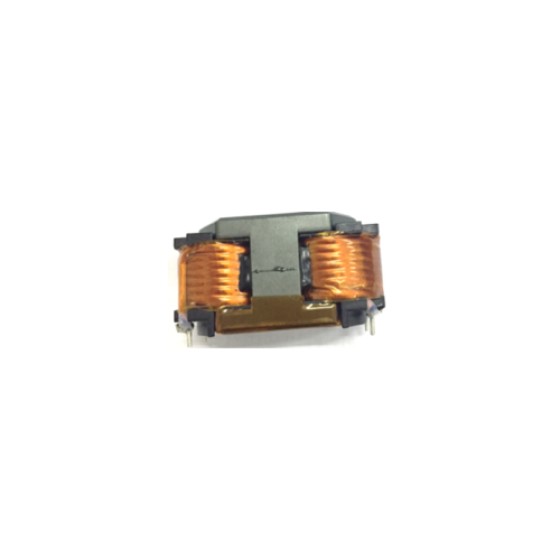
An electronic transformer is a magnetic component that transfers electrical energy between circuits through electromagnetic induction. It is mainly used to convert voltage levels, provide electrical isolation, and improve power system reliability.
Electronic transformers are commonly integrated into switching power supplies, adapters, chargers, industrial control systems, and various electronic devices that require stable and efficient power conversion.
Applications of Electronic Transformers
1. Consumer Electronics
Electronic transformers are widely used in consumer electronic products such as televisions, monitors, laptops, smart devices, and household appliances.
They help convert AC power into suitable DC voltage levels while maintaining stable operation and protecting sensitive electronic circuits from voltage fluctuations.
2. Switching Power Supplies
One of the most important applications of electronic transformers is in switching power supply systems (SMPS).
High frequency transformers used in SMPS applications provide efficient energy transfer while reducing the size and weight of power supply units. They are commonly found in:
- AC/DC adapters
- Battery chargers
- Computer power supplies
- Industrial power modules
- Communication equipment
3. Industrial Automation Equipment
Modern factories rely heavily on electronic transformers for automation systems, control equipment, sensors, and industrial power supplies.
Reliable voltage conversion helps ensure stable operation of:
- PLC control systems
- Industrial controllers
- Motor control equipment
- Factory automation devices
With the development of smart manufacturing, electronic transformers are becoming increasingly important in automated production environments.
4. Medical Equipment
Medical devices require highly reliable and safe power solutions. Electronic transformers provide electrical isolation and stable voltage conversion for equipment such as:
- Medical monitors
- Diagnostic devices
- Laboratory instruments
- Patient care systems
High-quality transformer designs help meet strict safety and reliability requirements in medical applications.
5. New Energy Systems
The growth of renewable energy and electric vehicles has created new demand for advanced electronic transformers.
They are widely used in:
- Solar inverters
- Energy storage systems
- EV charging equipment
- Battery management systems
- Power conversion modules
High efficiency and compact design make electronic transformers suitable for modern energy applications.
6. LED Lighting Systems
Electronic transformers are commonly used in LED drivers and lighting power systems.
They provide efficient voltage conversion and help improve:
- Energy efficiency
- Lighting stability
- Product lifespan
- Thermal performance
7. Smart Home Applications
Smart home devices require compact and reliable power solutions. Electronic transformers are used in:
- Smart switches
- Security systems
- Smart appliances
- Home automation controllers
Their small size and high efficiency make them ideal for modern intelligent devices.
Advantages of Electronic Transformers
Electronic transformers offer several benefits compared with traditional transformer solutions:
- Compact and lightweight design
- High energy conversion efficiency
- Excellent voltage regulation
- Reliable electrical isolation
- Suitable for high-frequency operation
- Lower material consumption
- Flexible customization options
These advantages make electronic transformers a key component in modern electronic systems.
Future Development Trends
As electronic products become smaller and more powerful, electronic transformer technology continues to evolve.
Future trends include:
- Higher power density designs
- Improved magnetic materials
- Integration with SiC and GaN power devices
- Automated transformer manufacturing
- Intelligent quality inspection
- More efficient energy conversion solutions
These developments will support future applications in electric vehicles, renewable energy, artificial intelligence infrastructure, and advanced industrial systems.
Conclusion
Electronic transformers are fundamental components in modern electronics, supporting efficient power conversion across a wide range of industries. From consumer electronics and industrial automation to renewable energy and medical equipment, they provide reliable voltage transformation and electrical isolation.
With continuous innovation in magnetic materials, manufacturing technology, and power electronics, electronic transformers will remain an important technology driving the development of next-generation electronic systems.