



How Do Insulation Materials Improve Transformer Safety?
Insulation materials are one of the most important parts of transformer design. Although transformers mainly rely on magnetic cores and windings to transfer electrical energy, the insulation system determines whether the transformer can operate safely under different voltage, temperature, and environmental conditions.
A transformer contains multiple conductive components that may operate at different voltage levels. Without proper insulation, electrical leakage, short circuits, and insulation breakdown can occur.
By using suitable insulation materials, manufacturers can improve transformer safety, increase reliability, and extend service life.
Why Are Insulation Materials Important in Transformers?
A transformer transfers energy between primary and secondary windings through electromagnetic induction. These windings are electrically separated but closely placed to achieve efficient energy transfer.
The insulation system provides protection between:
- Primary and secondary windings
- Winding layers
- Windings and magnetic cores
- Internal conductive components
- External terminals
The main purpose of insulation materials is to control unwanted current flow and maintain safe electrical separation.
A reliable insulation system helps prevent:
- Short circuits
- Electrical leakage
- Overheating caused by insulation damage
- Component failure
How Do Insulation Materials Prevent Electrical Breakdown?
Electrical breakdown occurs when insulation can no longer withstand the applied voltage.
When voltage stress exceeds the insulation capability, current may flow through the insulating material, causing damage.
Insulation materials improve safety by providing:
High Dielectric Strength
Dielectric strength describes the ability of an insulating material to resist electrical breakdown.
Materials with high dielectric strength can withstand higher voltage differences between conductive parts.
Stable Electrical Performance
Good insulation materials maintain their properties during long-term operation, even under continuous electrical stress.
Controlled Insulation Distance
Materials such as insulation films and barriers help maintain proper spacing between windings.
This reduces the possibility of electrical discharge.
How Do Insulation Materials Protect Transformer Windings?
Transformer windings are made from conductive wires, usually copper or aluminum.
During operation, these wires experience:
- Electrical stress
- Heat generation
- Mechanical vibration
Insulation materials protect the winding structure by preventing contact between adjacent wires and layers.
Common winding insulation methods include:
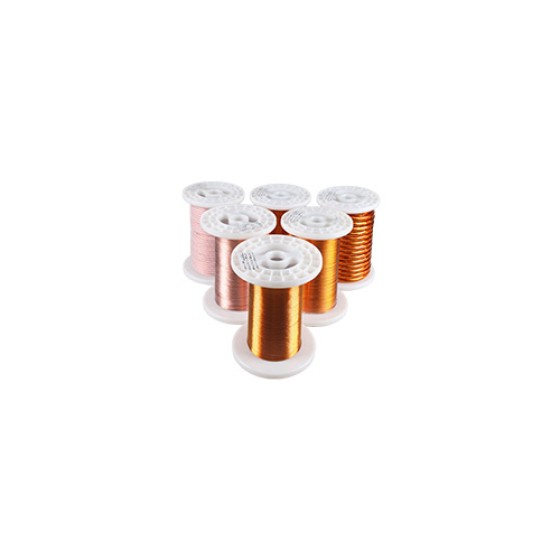
- Enamel coating on magnet wire
- Insulation tape between layers
- Insulation paper between windings
- Protective films
These materials help maintain stable electrical performance throughout the transformer lifetime.
What Types of Insulation Materials Are Used in Transformers?
Different transformer applications require different insulation solutions.
Common insulation materials include:
Enamel Coatings
Enamel coatings are applied to magnet wires used in transformer windings.
They provide:
- Thin insulation layers
- Good heat resistance
- Protection between wire turns
Because the coating is very thin, many wire turns can be placed in a compact space.
Insulation Tape
Insulation tape is commonly used between winding layers or between primary and secondary windings.
It helps:
- Increase insulation strength
- Prevent layer-to-layer contact
- Improve mechanical protection
Materials such as polyester and polyimide tapes are widely used in transformer manufacturing.
Insulation Films
Thin insulation films provide strong electrical isolation while taking up minimal space.
They are especially useful in compact transformers where maintaining insulation performance without increasing size is important.
Insulation Sleeves
Sleeves are often used to protect wire sections near terminals or areas exposed to mechanical stress.
They provide additional insulation and physical protection.
Epoxy Resin
Epoxy materials are commonly used for encapsulated transformers.
They provide:
- Moisture protection
- Mechanical strength
- Environmental resistance
How Do Insulation Materials Improve Transformer Reliability?
Transformer reliability depends heavily on the long-term stability of insulation materials.
Over time, insulation can degrade due to:
- High temperature
- Voltage stress
- Humidity
- Chemical exposure
- Mechanical stress
High-quality insulation materials help slow this aging process.
A reliable insulation system allows transformers to:
- Operate continuously
- Handle electrical fluctuations
- Maintain stable performance
- Reduce maintenance requirements
Why Is Thermal Resistance Important for Transformer Insulation?
Heat is one of the main factors affecting insulation lifetime.
During operation, transformer windings and magnetic cores generate heat due to energy losses.
If insulation materials cannot withstand operating temperatures, they may become:
- Brittle
- Cracked
- Less electrically effective
For this reason, insulation materials are selected according to their temperature resistance.
High temperature insulation materials are especially important in:
- High power transformers
- Industrial equipment
- Electric vehicle charging systems
- Renewable energy applications
How Do Insulation Materials Support High Frequency Transformers?
High frequency transformers used in switching power supplies operate differently from traditional low frequency transformers.
They require insulation systems that can handle:
- Rapid voltage changes
- Compact winding structures
- Higher power density
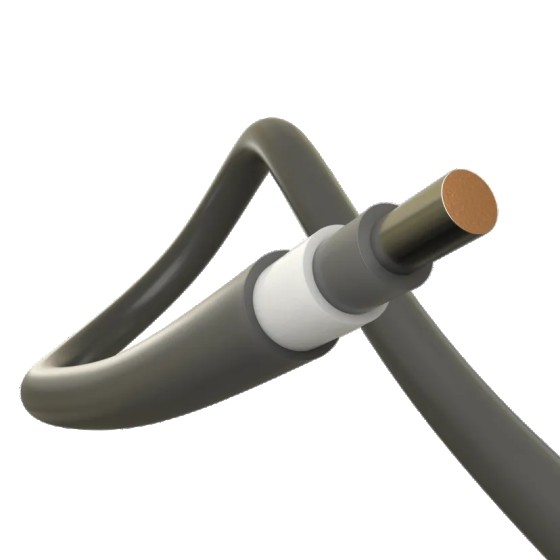
Materials such as polyimide films, triple insulated wires, and advanced polymer insulation are commonly used.
These materials allow manufacturers to create smaller transformers while maintaining electrical safety.
How Do Insulation Materials Help Transformers Meet Safety Requirements?
Many transformer applications must meet strict safety standards.
Insulation design affects:
- Isolation voltage
- Creepage distance
- Clearance distance
- Fire resistance
Applications such as consumer chargers, medical equipment, and industrial power supplies require reliable insulation systems to protect users and connected equipment.
Proper insulation material selection is therefore an important part of transformer certification and safety testing.
How Are Insulation Materials Selected for Transformer Design?
Engineers consider several factors when selecting insulation materials:
Operating Voltage
Higher voltage applications require stronger insulation performance.
Operating Temperature
The material must maintain stability under expected temperature conditions.
Transformer Size
Compact designs require insulation materials that provide high performance with minimal thickness.
Application Environment
Moisture, vibration, and chemical exposure may affect material selection.
Manufacturing Process
The insulation material must be compatible with winding methods and production equipment.
The Importance of Insulation Materials in Modern Transformers
As electronic systems continue to demand smaller, more efficient, and more powerful transformers, insulation technology becomes increasingly important.
Modern applications such as:
- EV chargers
- Solar power systems
- Data center power supplies
- Industrial automation equipment
require transformers that can operate safely under demanding conditions.
Advanced insulation materials help manufacturers achieve higher power density while maintaining reliability and safety.
Insulation materials improve transformer safety by preventing electrical breakdown, separating conductive components, protecting winding structures, and maintaining reliable operation under electrical and thermal stress. Choosing the right insulation system is essential for producing safe and durable transformers in modern power applications.