



What Specifications Should You Check Before Buying a Transformer?
Choosing the right transformer requires more than simply checking the voltage and power rating. A transformer is a precision magnetic component, and many specifications affect its performance, reliability, and compatibility with the final application.
Whether selecting a transformer for a switching power supply, industrial equipment, renewable energy system, or consumer electronics product, understanding the key specifications helps prevent design problems and ensures stable operation.
Input Voltage and Output Voltage
Voltage requirements are the first specifications to check when selecting a transformer.
The input voltage determines the electrical conditions applied to the primary winding, while the output voltage determines whether the transformer can meet the requirements of the connected circuit.
Important voltage specifications include:
- Input voltage range
- Output voltage value
- Voltage tolerance
- Number of output channels
For custom transformers, the winding ratio is designed according to the required voltage conversion. An incorrect voltage specification may result in unstable output, insufficient power delivery, or damage to connected components.
Power Rating
Power rating indicates how much electrical power the transformer can safely handle.
It is usually expressed in watts (W) or volt-amperes (VA), depending on the transformer type.
When checking power requirements, consider:
- Continuous operating power
- Peak power demand
- Load variation
- Safety margin
A transformer with a lower power rating than required may overheat during operation. On the other hand, selecting an excessively large transformer can increase cost and reduce system efficiency.
The transformer should provide enough capacity for the application while maintaining reasonable size and thermal performance.
Operating Frequency
Frequency is a critical specification, especially for electronic transformers.
Traditional power transformers typically operate at 50 Hz or 60 Hz, while high-frequency transformers used in switching power supplies may operate from tens of kilohertz to several hundred kilohertz.
The operating frequency affects:
- Core material selection
- Transformer size
- Energy losses
- Efficiency
Using a transformer designed for the wrong frequency can cause excessive heating and poor performance.
For example, ferrite core transformers are commonly used in high-frequency applications because they have low losses at higher operating frequencies.
Transformer Type and Structure
Different applications require different transformer designs.
Common transformer types include:
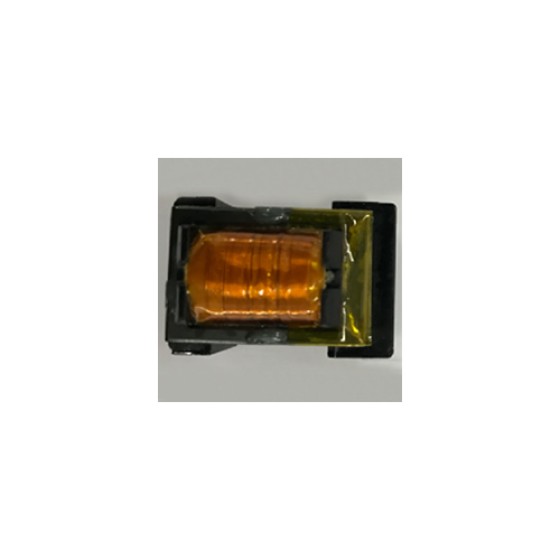
- Flyback transformers
- Forward transformers
- Push-pull transformers
- Half-bridge transformers
- Full-bridge transformers
- LLC transformers
- Planar transformers
Each type has different characteristics in terms of power range, efficiency, size, and circuit compatibility.
Before purchasing a transformer, it is important to confirm whether the design matches the intended application.
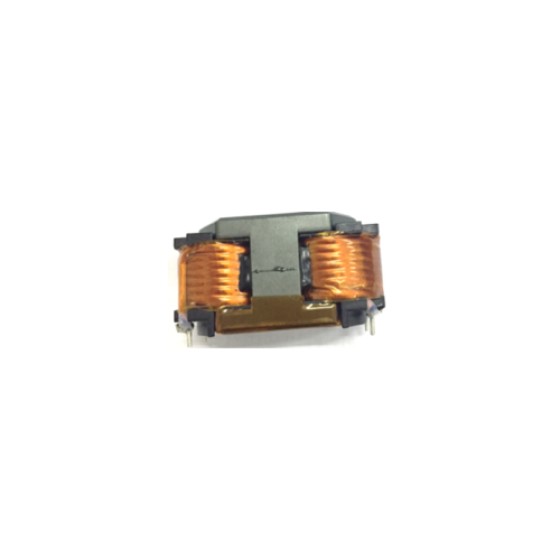
Core Material and Core Size
The magnetic core directly affects transformer performance.
Common core materials include:
- Ferrite
- Silicon steel
- Powdered iron
- Amorphous materials
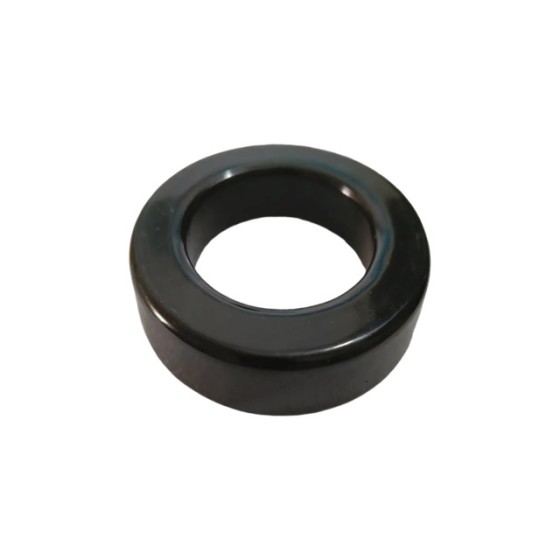
For high-frequency electronic transformers, ferrite cores are widely used because they provide good magnetic performance with low core loss.
The core size also determines:
- Power capability
- Magnetic flux capacity
- Thermal performance
A properly selected core helps the transformer operate efficiently without reaching magnetic saturation.
Efficiency and Power Loss
Efficiency is an important specification for modern electronic systems.
Transformer losses mainly come from:
- Copper loss in windings
- Core loss in magnetic materials
- Leakage effects
A transformer with higher efficiency generates less heat and consumes less energy during operation.
For applications such as data centers, electric vehicles, and renewable energy systems, low-loss transformer designs are especially important because they operate continuously and handle large amounts of power.
Insulation Rating and Safety Requirements
Insulation specifications determine how safely a transformer can separate different electrical circuits.
Important insulation parameters include:
- Dielectric strength
- Insulation resistance
- Creepage distance
- Clearance distance
- Insulation class
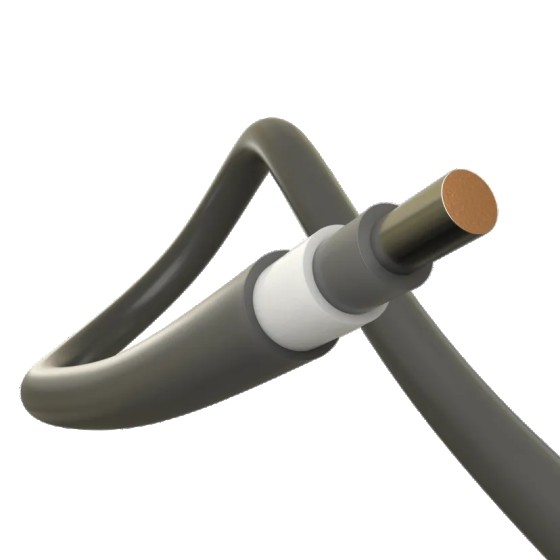
Applications with higher safety requirements may require reinforced insulation or special wire structures such as triple insulated wire.
Checking insulation specifications is especially important for products connected directly to mains power.
Operating Temperature Range
The transformer must be able to operate reliably within the expected temperature environment.
Important temperature specifications include:
- Maximum operating temperature
- Temperature rise
- Thermal class
- Cooling conditions
High temperatures accelerate insulation aging and reduce transformer lifetime.
For industrial applications or enclosed electronic systems, thermal performance should be carefully evaluated before selecting a transformer.
Physical Dimensions and Mounting Requirements
Size and installation method are also important considerations.
Before purchasing, check:
- Length and width
- Height
- Pin configuration
- Mounting method
- Weight limitations
Compact electronic products often have strict space limitations, requiring transformers with optimized designs such as planar transformers or custom magnetic components.
Testing and Certification Requirements
Reliable transformers should undergo proper quality testing before shipment.
Common tests include:
- Hi-Pot test
- Insulation resistance test
- Turns ratio test
- Inductance test
- Winding resistance test
- Load test
Depending on the application, certifications and standards may also be required to ensure safety and compliance.
Customization Options
Many applications cannot use standard transformers because they have unique electrical or mechanical requirements.
Custom transformer design may involve adjustments to:
- Voltage ratio
- Power rating
- Core selection
- Winding structure
- Insulation design
- Package dimensions
Custom solutions are commonly used in industries such as automotive electronics, medical equipment, industrial automation, and renewable energy.
Manufacturer Capability
The supplier's technical capability is another important factor when selecting a transformer.
A reliable transformer manufacturer should have experience in:
- Magnetic design
- Material selection
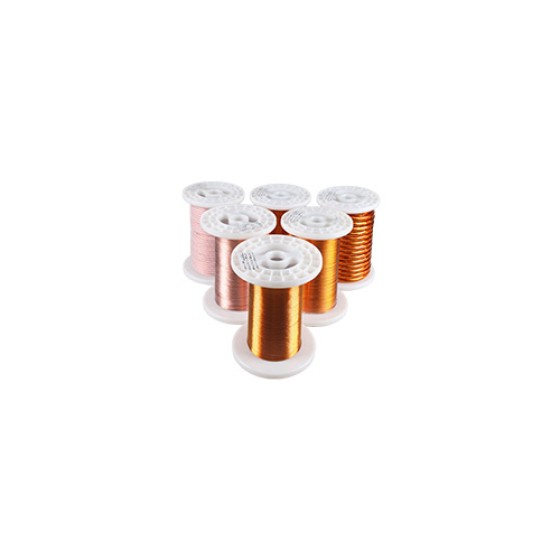
- Automated winding processes
- Quality inspection
- Custom engineering support
Good manufacturing control helps ensure consistent transformer performance and reduces potential failures.
Before buying a transformer, it is important to evaluate more than just price and appearance. Specifications such as voltage, power rating, frequency, core material, insulation, efficiency, and operating environment all influence whether the transformer will perform reliably in the final system.
A well-selected transformer improves energy efficiency, reduces operating problems, and helps ensure the long-term stability of electronic equipment.